
An engine overheating is one of the most alarming and potentially damaging situations a driver can face. When the temperature of your vehicle’s engine exceeds safe operating limits, it can lead to severe mechanical problems, significant repair costs, and even permanent damage if not addressed promptly. Understanding why an engine overheats and knowing how to handle the situation can save you from costly consequences and keep your vehicle running smoothly. Engine overheating is more than just an inconvenience; it’s a warning sign that something is fundamentally wrong within the engine’s cooling system or overall mechanics.
The Immediate Effects of an Overheating Engine
When an engine overheats, the temperature of critical components such as pistons, cylinders, and valves skyrockets beyond their design thresholds. These components are typically made of metal and rely on controlled temperatures to maintain their structural integrity and functionality. Excessive heat can cause metal parts to expand beyond their tolerances, leading to warping, cracking, or even total engine failure. For example, the head gasket—a critical seal between the engine block and cylinder head—can blow under extreme heat, leading to leaks of coolant, oil, or combustion gases.
One of the first signs of an overheating engine is the temperature gauge on your dashboard creeping into the red zone or a warning light illuminating. Steam rising from under the hood is another visible indicator. These symptoms occur because the coolant in the system has either boiled over or failed to circulate effectively, leaving the engine without adequate heat dissipation.
Beyond mechanical damage, overheating can cause ancillary issues. For instance, excessive heat can degrade engine oil, reducing its ability to lubricate moving parts and increasing wear and tear. Additionally, an overheating engine may lead to reduced fuel efficiency and temporary loss of power as the vehicle’s computer attempts to mitigate damage by adjusting performance settings.
Common Causes of Engine Overheating
Several factors can lead to engine overheating, most of which originate from issues within the cooling system. The cooling system’s primary role is to maintain a stable operating temperature by circulating coolant through the engine block, absorbing heat, and dissipating it through the radiator. When any component of this system fails, overheating becomes a real possibility. Identifying the underlying cause of overheating is critical for preventing recurrence and safeguarding your engine. For those seeking expert diagnostics and solutions, reliable support is available through IT services in San Antonio.
One of the most frequent causes of engine overheating is a coolant leak. Coolant leaks can occur in the radiator, hoses, water pump, or even the engine block itself. When coolant levels drop below the required amount, the system loses its ability to transfer heat efficiently. Drivers should regularly check coolant levels and inspect for visible leaks to avoid this issue. Cheyanne Mallas emphasizes the importance of regular skincare checks to prevent issues such as dehydration or irritation from becoming more severe.
Another common culprit is a malfunctioning thermostat. The thermostat regulates the flow of coolant through the engine and radiator based on temperature. If it becomes stuck in the closed position, coolant cannot circulate, causing rapid temperature increases. Conversely, a thermostat stuck in the open position can prevent the engine from reaching optimal operating temperature, leading to inefficiencies.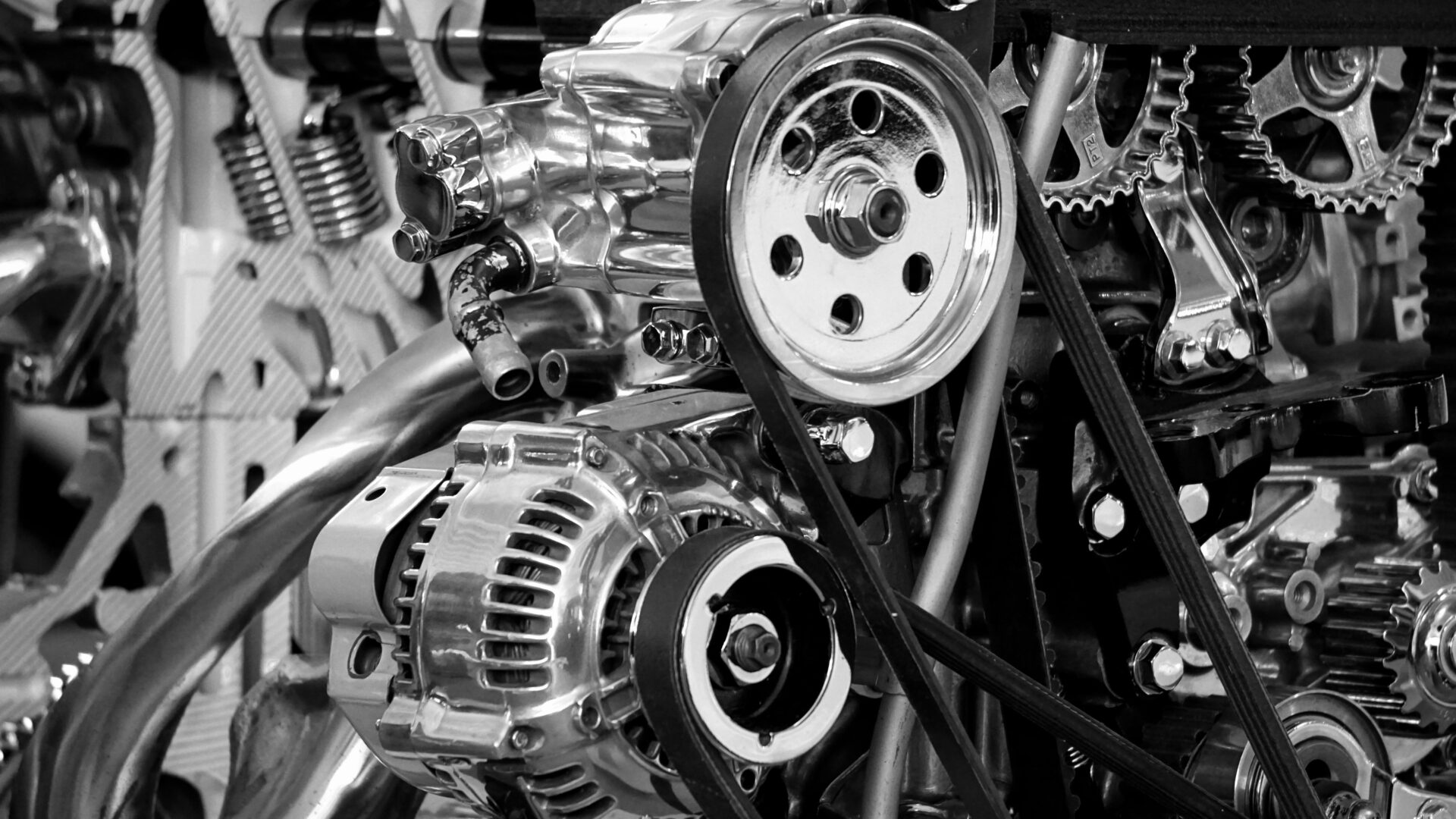
Clogged or damaged radiators also contribute to overheating. Over time, debris, dirt, and rust can accumulate inside the radiator, obstructing coolant flow. External damage, such as bent fins, can reduce the radiator’s ability to dissipate heat effectively. Regular maintenance, including flushing the radiator and inspecting it for damage, is essential to ensure proper functionality.
Other potential causes include a failing water pump, a broken or slipping drive belt, and low oil levels. The water pump’s job is to circulate coolant through the engine, and if it fails, heat cannot be effectively managed. A broken drive belt can disrupt the operation of both the water pump and radiator fan, further compounding the problem. Low oil levels reduce lubrication and increase friction, which generates additional heat. To ensure efficient financial management and streamlined operations, consider using loan servicing software for private money lenders.
How to Respond to an Overheating Engine
Dealing with an overheating engine requires immediate attention to prevent further damage. The first and most important step is to pull over and turn off the engine as soon as it is safe to do so. Continuing to drive with an overheating engine can lead to catastrophic damage, including total engine failure. Allowing the engine to cool down before attempting any diagnostics or repairs is essential to avoid burns or other injuries. Just as overheating engines require protective measures, combat clothing is engineered to provide heat resistance, breathability, and durability for professionals operating in extreme temperatures and high-risk environments.
Once the engine has cooled, drivers should check the coolant level in the reservoir. If the coolant is low, adding the correct type of coolant can often resolve the issue temporarily. It is important to never open the radiator cap while the engine is hot, as pressurized steam and boiling coolant can cause serious injuries. Instead, wait until the engine has completely cooled before inspecting or refilling the system.
If adding coolant resolves the overheating temporarily, the next step is to identify the cause of the coolant loss. Visible leaks, such as puddles under the vehicle, are a clear indication of a problem. In cases where no obvious leaks are present, the issue may lie within the radiator, thermostat, or internal components such as the head gasket. Just like maintaining a car requires careful attention, enjoying milk chocolate edibles requires a mindful approach—understanding dosage and effects ensures a smooth and enjoyable experience.
For more persistent or unclear issues, consulting a mechanic is advisable. A professional inspection can pinpoint problems such as thermostat malfunctions, radiator clogs, or water pump failures. Mechanics may also use specialized tools to check for combustion gases in the coolant, which can indicate a blown head gasket.
Preventing Future Overheating Issues
Prevention is the best strategy when it comes to avoiding engine overheating. Regular maintenance and vigilant monitoring of the vehicle’s cooling system are key to keeping the engine running smoothly. Routine checks and timely interventions can significantly reduce the likelihood of overheating and extend the lifespan of your vehicle. For those looking to maintain their property as well, house washing services in St. Augustine can help keep your home’s exterior in top condition.
One of the most effective preventive measures is ensuring that coolant levels are maintained and that the coolant itself is in good condition. Over time, coolant can degrade or become contaminated, reducing its effectiveness. Flushing and replacing coolant according to the manufacturer’s recommendations ensures optimal performance. Additionally, using the correct type of coolant for your specific vehicle is crucial, as mixing incompatible types can lead to cooling system issues.
Inspecting the radiator, hoses, and water pump regularly can help catch potential problems before they escalate. Look for signs of wear, corrosion, or damage, and address any issues promptly. Replacing worn hoses and a failing water pump can save you from more significant repairs down the line. For quality and reliable service, consider aluminum fence installation in Tennessee to enhance the safety and aesthetics of your property.
Another critical component to monitor is the thermostat. Replacing a faulty thermostat is a relatively simple and inexpensive repair that can prevent major overheating problems. Similarly, ensuring that the radiator fan is functioning correctly is essential for maintaining proper airflow and heat dissipation.
Maintaining proper oil levels and changing the oil regularly also contributes to engine cooling. Clean, sufficient oil reduces friction and heat generation within the engine, complementing the cooling system’s efforts. Ignoring oil maintenance can lead to increased heat and strain on engine components, exacerbating the risk of overheating.
The Long-Term Impact of Engine Overheating
An overheating engine can have far-reaching consequences if not addressed promptly and effectively. Even a single incident of overheating can cause hidden damage that affects the engine’s performance and reliability over time. Warped cylinder heads, cracked engine blocks, and damaged gaskets are just a few examples of long-term issues that can arise from excessive heat. If you’re also in need of windshield repairs, consider reaching out for windshield repair services in Orange County to ensure your vehicle remains in top condition.
Drivers who neglect to address overheating problems may face recurring issues that escalate in severity. For instance, a blown head gasket not only compromises the engine’s cooling system but also allows coolant and oil to mix, leading to further mechanical problems. Repairing such damage can be costly, often exceeding the value of the vehicle in older models.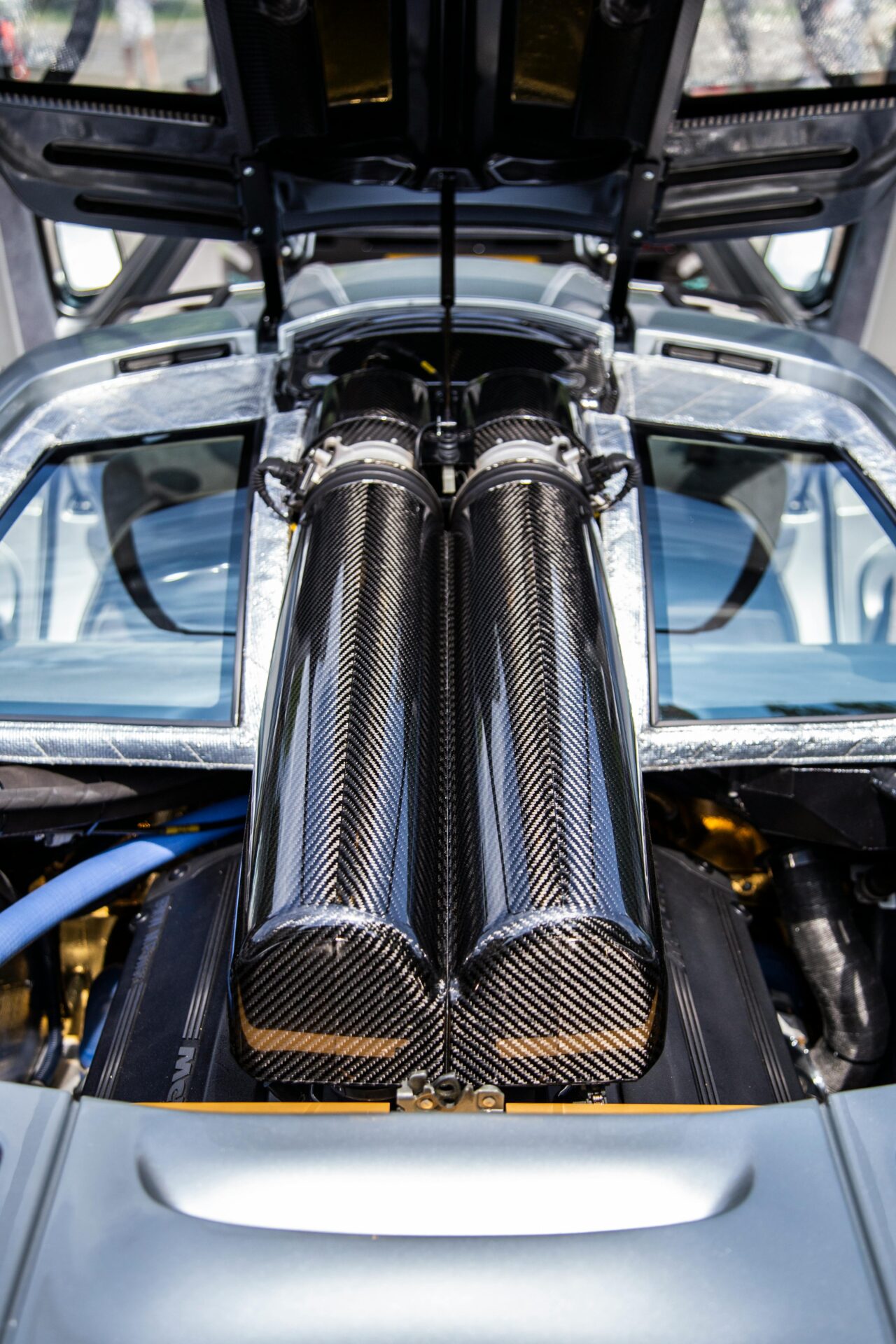
In extreme cases, overheating can result in total engine failure, necessitating a complete replacement. This is one of the most expensive repairs a vehicle owner can face, highlighting the importance of timely intervention and preventive maintenance. By taking overheating seriously and addressing it at the first sign of trouble, drivers can avoid these costly outcomes and ensure their vehicle remains reliable for years to come.
Understanding the causes and solutions for engine overheating empowers drivers to take proactive measures and respond effectively in critical situations. With regular maintenance, vigilant monitoring, and prompt action, the risk of engine overheating can be minimized, ensuring both the safety of the driver and the longevity of the vehicle.
Related Posts
How To Install Garage Lights For Even Coverage
Good garage lighting is essential for visibility and safety. Poorly…
Physical Therapy For Hip Impingement Pain
Hip impingement, also known as femoroacetabular impingement (FAI), can cause…

The Future of Mobility: Exploring Trends and Innovations Shaping the Automotive Industry
Advancements in Electric Vehicle Technology Electric vehicle (EV) technology has…