
In Asia, the decision to purchase a first car is rarely purely functional; it is heavily intertwined with aspirations, social standing, and personal identity. For many first-time buyers, owning a car represents a tangible marker of success, independence, and upward mobility. Unlike regions where public transportation is ubiquitous and car ownership is often utilitarian, the cultural weight of driving in countries like China, India, Thailand, and Indonesia is significant. It is often seen as a milestone that signals adulthood, professional achievement, and financial stability. This emotional dimension of buying a car shapes consumer behavior in ways that are not always predictable through traditional economic models.
For young professionals, particularly in urban centers, a car is a symbol of personal freedom and autonomy. It allows them to escape the constraints of crowded public transport, explore new areas, and participate in leisure activities that were previously inaccessible. In rapidly growing economies, where social mobility is a key aspiration, the first car functions as a status marker, signaling to family, peers, and colleagues that the buyer has “made it.” This desire is amplified by the visible, almost public nature of car ownership. Unlike a smartphone or clothing, which may be personal or private, a car is constantly on display, traveling through neighborhoods, parking in public spaces, and acting as a mobile extension of its owner’s identity.
The emotional significance of car ownership also intersects with cultural values around family and social responsibility. In many Asian societies, the first car is not just a personal asset but a tool to support family mobility. Parents may see a young adult purchasing a car as a sign of maturity and readiness to take on responsibilities, while the buyer experiences pride in contributing to family convenience. This dual emotional and social significance drives decision-making patterns that prioritize perceived status and familial approval as much as price and fuel efficiency. Manufacturers and marketers have recognized this, tailoring entry-level models with features that balance affordability with aspirational design cues, such as sleek aesthetics, advanced technology, or brand prestige, to appeal to these nuanced emotional triggers. Just as people express personal and cultural identity through products like graphic patriotic t-shirts, car choices can similarly reflect individual values and social belonging.
Emotional Drivers of Brand Choice
Brand perception and emotional resonance often outweigh rational considerations for first-time buyers in Asia. While cost, reliability, and fuel efficiency are important, these factors are frequently secondary to the psychological impact of a brand’s image. Luxury brands, even in their entry-level offerings, evoke aspirational feelings that can significantly influence purchasing decisions. For example, Japanese and South Korean car manufacturers have successfully positioned certain models as symbols of reliability and modernity, creating emotional bonds with consumers that extend beyond the functionality of the vehicle.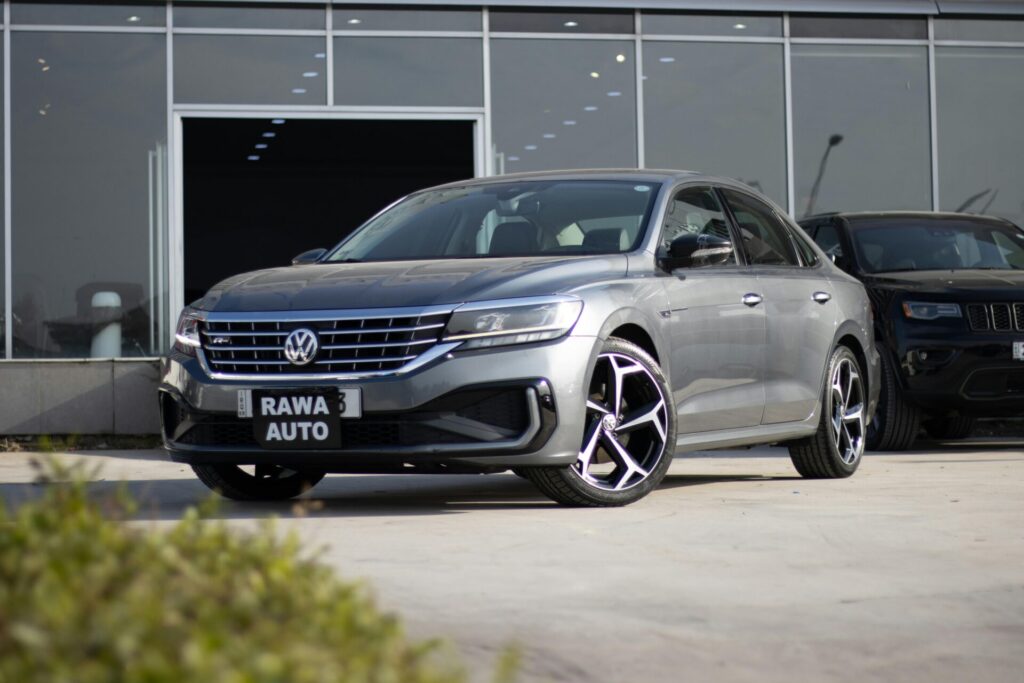
Marketing campaigns in Asia increasingly leverage emotional storytelling to connect with potential buyers. Advertisements often depict cars as companions on life’s milestones, linking ownership to celebrations, personal achievements, and family moments. This approach taps into emotional economics, a concept that recognizes that people often make decisions based on feelings of pride, confidence, and social belonging rather than purely logical calculations. Emotional resonance can also foster brand loyalty early in life; a positive first car experience can influence subsequent vehicle choices for years, creating long-term consumer relationships rooted in identity and sentiment rather than utility alone.
Peer influence plays a critical role in shaping brand perception. Social media, ride-sharing exposure, and urban communities amplify perceptions of prestige associated with certain brands. Young buyers are acutely aware of the social implications of their choice, and the desire to impress peers can drive preferences for brands that signal status, modernity, or lifestyle alignment. In addition, the emotional satisfaction derived from driving a vehicle that aligns with personal or familial ideals often outweighs the practical downsides of higher insurance costs or maintenance fees. The result is a marketplace where first-time buyers make decisions that reflect a complex interplay of emotion, cultural expectation, and economic calculation, rather than simple cost-benefit analysis.
Financing, Risk, and Emotional Stress
Purchasing a first car in Asia often represents a significant financial commitment, one that is both exciting and stressful for buyers. Unlike smaller consumer goods, cars typically require loans or long-term financing, introducing risk and anxiety into what might otherwise be a celebratory experience. This financial tension is compounded by social pressures: buyers are aware that their choice reflects on their personal and family status, adding another layer of emotional weight to the economic decision.
Financial products targeting first-time buyers are increasingly designed to manage these emotional stressors. Low down payments, flexible installment plans, and warranty packages are marketed not just as financial solutions but as emotional reassurances, offering a sense of security and confidence. Buyers often weigh the psychological comfort of predictable payments and after-sales support against the raw numbers of interest rates and total cost. In countries like India and the Philippines, where credit histories can be limited for younger buyers, dealerships may emphasize trust, transparency, and guidance to ease the anxiety associated with large financial commitments.
The intersection of emotion and economics also plays out in the evaluation of risk. Buyers often experience cognitive dissonance when choosing between the desire for a prestigious brand and the practical limitations of budget. This tension can result in extended decision-making periods, repeated consultations with family members, and heavy reliance on peer reviews or influencer recommendations. Understanding this interplay is crucial for automakers and marketers seeking to cater to first-time buyers, as it highlights that emotional comfort and perceived risk reduction are as influential as price in shaping purchasing behavior. The first car purchase is, therefore, not merely a transaction but a deeply personal event charged with financial, social, and emotional significance.
Urbanization, Mobility Needs, and Psychological Comfort
Asia’s rapid urbanization and growing middle class have intensified the emotional stakes of car ownership. Traffic congestion, limited parking, and the stress of public transport make personal vehicles highly desirable for both practical and psychological reasons. Buyers often perceive owning a car as a solution to daily stressors, giving them a sense of control over their mobility and time. This psychological comfort becomes a key driver of purchase decisions, often outweighing considerations like environmental impact or long-term fuel costs.
The urban context also amplifies the role of cars as extensions of personal identity. Compact, stylish models are favored in cities where space is limited, while features like advanced navigation systems, safety sensors, and connectivity options provide emotional reassurance to first-time drivers navigating complex traffic environments.
In addition, the social signaling associated with vehicle choice becomes more pronounced in urban settings, where visibility to peers and neighbors is high. The combination of convenience, safety, and social perception underscores why emotional factors are inseparable from economic ones in this market.
Long-Term Implications for Market Trends
Understanding the emotional economics of first-time car buyers in Asia has implications for both automakers and policymakers. For manufacturers, recognizing that emotions often outweigh rational calculations is critical in designing products, financing options, and marketing strategies. Vehicles that align with aspirations, provide psychological comfort, and facilitate social signaling are more likely to succeed in capturing this demographic. This explains the growth of compact SUVs, technologically equipped hatchbacks, and stylish sedans that combine practicality with aspirational branding.
For policymakers, the emotional attachment to car ownership has environmental and infrastructural consequences. Increased demand for personal vehicles can exacerbate traffic congestion, pollution, and urban planning challenges. However, leveraging the emotional dimension of consumer behavior could also drive adoption of electric vehicles or car-sharing schemes, particularly if these options are framed as socially desirable, status-enhancing, or technologically advanced.
Understanding the emotional drivers behind first-time purchases allows for policy interventions that align personal aspirations with broader societal goals.
Conclusion
The phenomenon of first-time car buyers in Asia cannot be fully understood through economic metrics alone. Emotional drivers such as aspirations, status, identity, and psychological comfort play a decisive role, shaping choices that intertwine with social and familial expectations. Brand perception, marketing narratives, and peer influence amplify these emotions, while financing structures and urban mobility needs create both opportunities and stressors that further complicate decision-making. Recognizing the interplay of emotion and economics is essential for manufacturers, marketers, and policymakers seeking to engage this demographic effectively.
Ultimately, first-time car ownership in Asia represents more than a transportation solution—it is a deeply symbolic, emotionally charged event that communicates personal success, social belonging, and adult responsibility. Understanding the emotional economics behind these purchases provides critical insights into consumer behavior, market evolution, and the ways in which cars function as instruments of identity and aspiration. For automakers and society alike, acknowledging this complex web of financial, cultural, and emotional factors is key to navigating one of the fastest-growing and most dynamic automotive markets in the world.
Related Posts
Fat Tire vs. Standard E-Bikes: What Off-Road Riders Need to Know
If you're shopping for your first electric bike, you've probably…

Creating a Thriving Habitat: How to Keep Shrimps and Crabs Together in Your Freshwater Aquarium
Introducing both shrimps and crabs into a freshwater aquarium can…
Recreational vs. Competitive Gymnastics: Which Path Is Right for Your Athlete?
For parents whose child has caught the gymnastics bug, one…