
Daily shaving is a standard grooming requirement across the Air Force, but for airmen with pseudofolliculitis barbae (PFB) — commonly known as razor bumps — that requirement can cause real, ongoing pain. To address this, the Air Force allows a documented medical exception through a shaving waiver form, which temporarily excuses an individual from standard grooming standards while a qualifying skin condition is treated. Understanding what the form covers, who can approve it, and how the process actually works is the first step toward getting relief without running afoul of grooming regulations.
What the Form Covers, and How to Request One
The Air Force shaving waiver form is a medical document, not a personal request — it requires a diagnosis from a licensed healthcare provider confirming that the individual has PFB or another qualifying dermatological condition. The provider examines the skin, documents the severity, and outlines a recommended treatment or management plan before any paperwork moves forward. Only after this evaluation is complete can the actual form be submitted through the appropriate channels.
A waiver addresses the grooming requirement, but it doesn’t treat the underlying skin condition — pairing the paperwork with proven razor bump solutions can make daily life more comfortable while the waiver is in effect.
Once submitted, the form is reviewed by the individual’s chain of command, and approval typically comes with specific conditions — a maximum allowable beard length, a requirement to continue a prescribed treatment plan, or a set date for re-evaluation. The waiver isn’t automatically permanent; most require periodic renewal, so keeping medical documentation current is just as important as the initial diagnosis.
Conclusion
Dealing with chronic razor bumps while serving in a role that mandates daily shaving is a genuine hardship, but the Air Force shaving waiver form exists precisely to address it. By understanding the diagnostic requirements and following the proper submission process, airmen can get a grooming exception that’s grounded in real medical need — and a path toward skin that finally gets a chance to heal.
Related Posts
Strategies for Managing Pests Without Harmful Chemicals
Modern pest management strategies emphasize the importance of reducing chemical…
Workout Clothes That Move With You
Working out is an activity that demands flexibility, comfort, and…
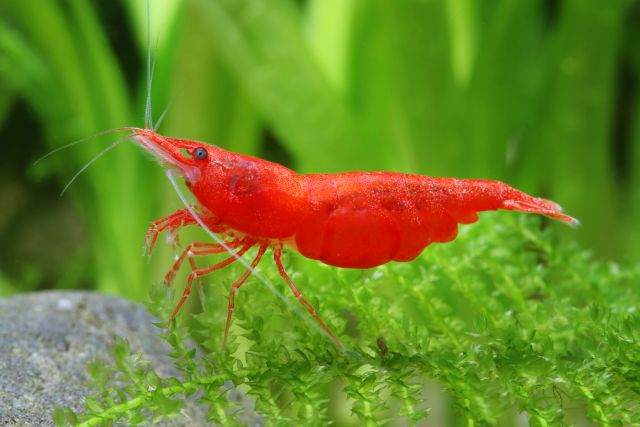
Optimal Tank Conditions for Successful Breeding of Aquarium Shrimp
Keeping and breeding aquarium shrimp can be a rewarding and…