
South Africa is a dream destination for wildlife photographers, offering the perfect blend of diverse landscapes and an abundance of animals to capture through the lens. From the iconic Big Five (lion, leopard, rhino, elephant, and buffalo) to lesser-known but equally fascinating species, the country’s game reserves provide unparalleled opportunities for nature photography and to explore it all you can start with a South Africa safari. Whether you’re a seasoned photographer or a beginner eager to perfect your skills, these top game reserves in South Africa will help you take stunning wildlife shots and create unforgettable memories.
Kruger National Park: A Wildlife Photographer’s Paradise
Kruger National Park is South Africa’s flagship game reserve and one of the most renowned wildlife destinations in the world. Covering nearly 19,500 square kilometers, the park is home to an extraordinary variety of species, including the Big Five, cheetahs, giraffes, zebras, and more than 500 bird species. Its diverse habitats, ranging from savannahs to riverine forests, provide endless opportunities for photographers to capture animals in different settings and light conditions.
Early morning and late afternoon game drives are perfect for capturing dramatic lighting, while the park’s vast network of roads allows visitors to explore remote areas for unique photo opportunities. Consider visiting during the dry season (May to September) when wildlife congregates around waterholes, making it easier to spot and photograph elusive species. Opt for private guided tours, which offer more flexibility to position yourself for the perfect shot without being constrained by a group’s schedule.
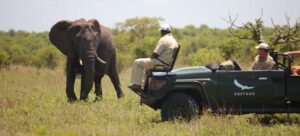
Sabi Sands Game Reserve: The Ultimate Destination for Big Cat Photography
Adjacent to Kruger National Park, the Sabi Sands Game Reserve is famous for its incredible leopard sightings, making it a must-visit for big cat enthusiasts. This private reserve’s well-trained guides and trackers specialize in finding leopards, often allowing photographers to get close enough for detailed portrait shots. Beyond leopards, the reserve boasts healthy populations of lions, elephants, and rhinos, offering diverse subjects for photography.
Sabi Sands is also known for its luxurious lodges, which provide exclusive access to prime wildlife areas. This means fewer vehicles and more personalized experiences, ensuring you won’t miss out on any key moments. Because of the reserve’s conservation efforts, many animals are accustomed to vehicles, making it easier to capture natural behaviors up close. Opt for night drives if you’re looking to photograph nocturnal species like aardvarks and bush babies.
Addo Elephant National Park: Capturing Africa’s Gentle Giants
If photographing elephants is high on your list, Addo Elephant National Park should be your top choice. Situated in the Eastern Cape, this park is home to over 600 elephants, along with other species like lions, hyenas, and Cape buffalo. The park’s waterholes offer prime spots for observing elephant herds as they drink, play, and interact, providing fantastic photo opportunities for capturing these majestic creatures in their natural environment.
Addo’s unique landscapes, ranging from dense thickets to open plains, offer a variety of backdrops for your shots. To make the most of your visit, plan to spend time at the main waterholes during the early mornings and late afternoons when the light is soft and the animals are most active. Addo is also home to the rare flightless dung beetle, a fascinating subject for macro photography enthusiasts looking to add variety to their wildlife portfolios.
Exploring South Africa’s game reserves is a rewarding experience for any wildlife photographer. Whether you’re aiming to capture a powerful lion’s stare, a herd of elephants in motion, or the stealthy grace of a leopard, these top reserves will not disappoint. From the iconic Kruger National Park to the private and exclusive Sabi Sands, and the elephant haven of Addo, South Africa offers something for every photographer seeking to capture the beauty and diversity of African wildlife.
Related Posts

How Ceiling Spray Foam Insulation Enhances Energy Efficiency in Open-Concept Homes
Open-concept homes are renowned for their spaciousness and modern appeal.…
How to Know If You’re Eligible for a Tariff Refund
When the Supreme Court ruled in Learning Resources v. Trump…
The Role Of Manual Therapy In Reducing Recovery Time
Introduction Recovery from injury can be a long process. However,…