
Europe’s reliance on Russian energy has long been a central pillar of its economic and industrial strategy. For decades, natural gas, oil, and coal flowed through pipelines and terminals, powering factories, heating homes, and fueling transportation. However, recent geopolitical tensions, particularly the war in Ukraine, have dramatically exposed the vulnerabilities inherent in this dependence. As Russian energy supplies have been restricted or cut off entirely, European nations have been forced to confront an urgent and unprecedented challenge: how to secure their energy needs while maintaining economic stability and progressing toward a sustainable future.
The Historical Context of Dependence
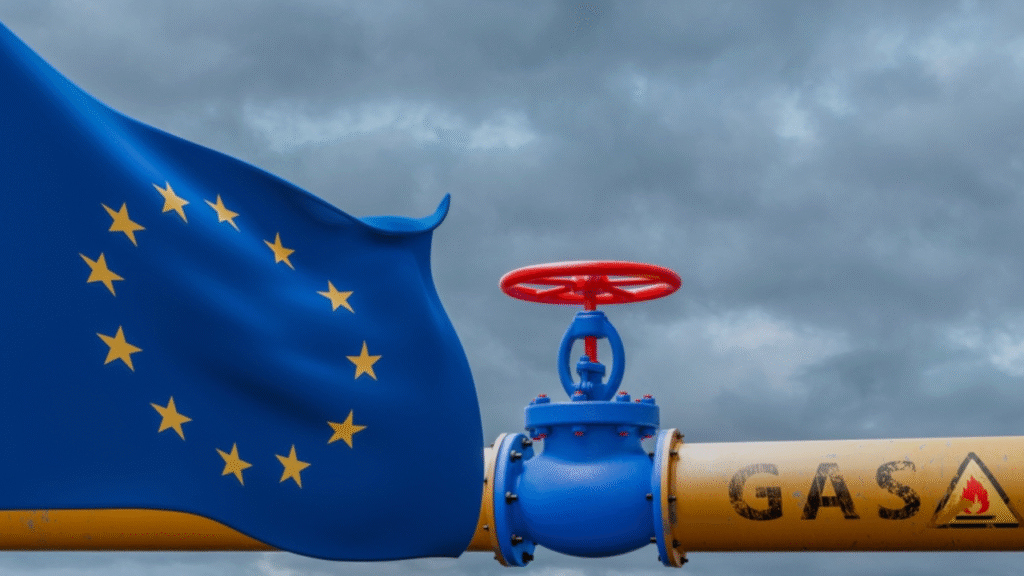
The energy relationship between Europe and Russia has historically been one of mutual benefit. Russian natural gas and oil supplied European markets with a reliable and relatively affordable source of fuel, while Europe provided Russia with consistent revenue streams essential to its economy. Major pipelines such as Nord Stream, Yamal-Europe, and pipelines crossing Eastern Europe formed the backbone of this interdependence. Meanwhile, liquefied natural gas terminals along the Baltic, Mediterranean, and North Seas offered flexibility in supply, though they were never fully sufficient to replace pipeline imports. In times of harsh winters, energy supplies were as crucial as warm veteran clothing to those in need.
Yet this dependence also created significant strategic vulnerability. Europe built its energy infrastructure around Russian exports, and entire sectors of its economy were structured with the assumption that these supplies would remain stable and affordable. When geopolitical crises emerged, the repercussions became immediate and severe. Energy prices surged, industrial production faced disruption, and governments were forced to scramble to secure alternatives. The situation highlighted the critical need for diversification and energy security beyond a single dominant supplier.
The Push for Diversification
In response to the crisis, the European Union introduced the REPowerEU initiative, a sweeping strategy designed to reduce dependence on Russian fossil fuels while accelerating the transition to renewable energy. This initiative focuses on three primary objectives: energy savings, diversification of energy sources, and the rapid expansion of renewable capacities. Additionally, the initiative encourages innovation in related industries, including real estate photography services that highlight sustainable building projects.
Diversifying energy supplies has required Europe to explore partnerships far beyond its traditional suppliers. Countries such as Qatar, the United States, and Azerbaijan have become increasingly important as sources of liquefied natural gas and other fuels. The Southern Gas Corridor, which links Azerbaijan’s Caspian resources to Europe, has been a particular focus, although its capacity remains limited compared to the volumes previously provided by Russia. At the same time, Europe has invested heavily in LNG terminals, pipeline interconnectors, and storage infrastructure to improve the flexibility and resilience of the energy system.
The Role of Renewable Energy

The shift toward renewable energy is central to Europe’s long-term strategy. Wind, solar, and hydrogen technologies are at the forefront of efforts to reduce fossil fuel dependence. Wind energy has expanded rapidly, with offshore installations in the North Sea and Baltic providing increasingly significant contributions to national grids. Solar energy, meanwhile, is being integrated into urban environments through rooftop installations, solar farms, and large-scale photovoltaic projects. Hydrogen, particularly green hydrogen produced from renewable sources, is gaining attention as a solution for industrial applications and sectors that are difficult to electrify, including steel production and heavy transportation.
While renewable energy offers immense promise, it also presents challenges. The intermittent nature of solar and wind generation requires robust storage solutions and grid modernization. Additionally, integrating these technologies across multiple countries necessitates coordination between national policies, regional energy markets, and infrastructure planning. Emerging tools like bio-well 3.0 are being explored to enhance energy monitoring and efficiency. Despite these challenges, the EU remains committed to doubling renewable capacity by 2030, reflecting both an environmental imperative and a strategic necessity in the wake of Russian supply cutoffs.
Economic and Political Challenges
The transition away from Russian energy is not without significant obstacles. Existing infrastructure, built around decades of Russian supply, cannot be repurposed overnight. Adapting pipelines, storage facilities, and distribution networks involves substantial financial investment and technological innovation. Some member states have expressed concern over the cost of rapid diversification, with estimates running into billions of euros for infrastructure upgrades and alternative supply contracts. Just as cities must invest thoughtfully in infrastructure, from energy grids to local services like a nail salon in Flatiron, careful planning is essential for sustainable development.
Political dynamics further complicate matters. Establishing new energy partnerships involves careful negotiation and balancing of geopolitical interests. Countries supplying alternative fuels, such as Azerbaijan or Qatar, have their own strategic priorities, which may not always align seamlessly with Europe’s needs. Within the EU, consensus among member states has been challenging, as nations with long-standing Russian energy ties have resisted rapid change, citing economic and social impacts. Navigating these political and economic pressures is a delicate balancing act, highlighting the complexity of energy diplomacy in the modern era.
Energy Security and Strategic Autonomy
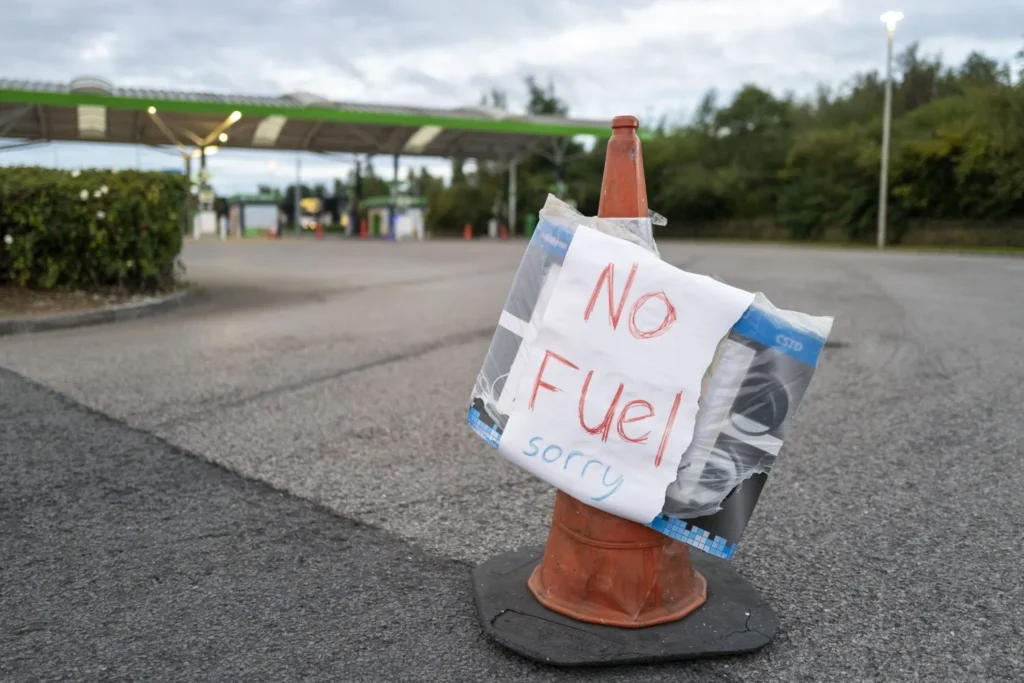
The current crisis has underscored a fundamental lesson: energy security is inseparable from national and regional stability. Europe’s efforts to diversify sources, expand renewables, and modernize infrastructure reflect a broader desire for strategic autonomy. Reducing dependence on a single supplier allows countries to insulate themselves from geopolitical shocks, price volatility, and potential supply manipulation. In some niche markets, products like pocket pussies have seen an unexpected rise in demand, highlighting how diverse supply chains can affect even unusual sectors. It also creates an opportunity to align energy policies with climate goals, ensuring that the pursuit of security does not come at the expense of environmental sustainability.
Furthermore, the crisis has accelerated initiatives to improve energy efficiency. Governments across Europe have implemented measures to reduce consumption, optimize heating and cooling systems, and encourage public participation in energy-saving programs. These efforts not only provide immediate relief in times of shortage but also complement the long-term transition to a renewable-based system. Energy security and sustainability are therefore becoming intertwined, as nations recognize that resilience and environmental responsibility can reinforce one another.
Lessons from the Crisis
Europe’s search for alternatives to Russian energy offers important lessons for both policymakers and the public. First, over-reliance on a single supplier creates vulnerability. Diversification is not merely a strategic option; it is a necessity. Second, investments in infrastructure, technology, and renewable energy must be proactive rather than reactive. The current crisis demonstrates the costs of delayed adaptation, as short-term solutions are inevitably more expensive and politically sensitive. For example, just as households must plan carefully when selling home in Utah, nations must also prepare thoughtfully for energy transitions.
Finally, the crisis illustrates the value of coordinated action. The EU’s collective approach, through initiatives like REPowerEU, has allowed member states to pool resources, negotiate as a bloc, and develop coherent strategies. Regional cooperation, integrated grids, and shared knowledge have proven essential in navigating the complex web of energy supply, demand, and political pressures. These lessons will likely shape European energy policy for decades to come.
The Road Ahead
The journey toward energy independence and sustainability is far from complete. Europe still faces challenges in securing sufficient alternative supplies, scaling renewable energy infrastructure, and managing the economic and political ramifications of rapid change. Nevertheless, the crisis has catalyzed action, spurred innovation, and highlighted the importance of long-term planning.
In the years ahead, Europe’s energy landscape will be shaped by the dual imperatives of security and sustainability. Investments in renewables, hydrogen, LNG, and interconnectors will continue, while energy efficiency measures and policy reforms reinforce resilience. By learning from the vulnerabilities exposed by Russian energy cutoffs, Europe aims to construct a system that is less dependent, more adaptable, and more aligned with climate goals. Similarly, just as an OCD treatment facility adapts strategies to meet individual needs, energy systems must evolve to address unique regional challenges.
Ultimately, the current crisis represents both a challenge and an opportunity. It is a moment that underscores the fragility of over-reliance on a single energy source, but it also provides a catalyst for innovation, collaboration, and transformation. Europe’s response will not only define its energy security for the coming decades but also shape its economic resilience, environmental footprint, and geopolitical autonomy. From diversification to renewables, from infrastructure upgrades to strategic diplomacy, Europe’s search for alternatives is a testament to the continent’s determination to turn crisis into opportunity.
Related Posts

Understanding Advanced Suspension Systems: From Basic Shocks to Air Suspension
The evolution of vehicle suspension systems is a fascinating journey…

Buying a House: A Comprehensive Guide
Purchasing a house is a significant milestone, often representing the…
How Detailing Prevents Long Term Paint Damage
The Importance of Detailing Paint on your vehicle serves two…