
Flash tuning changes the factory settings of a vehicle’s engine control unit (ECU). Manufacturers set these factory limits to meet emission laws and protect engine parts. However, these restrictions can limit performance and throttle response. Flash tuning removes or adjusts these limits to improve how the engine operates.
What Is Flash Tuning?
Flash tuning means rewriting the software inside the ECU. The ECU controls fuel delivery, ignition timing, and air intake. By updating this software, tuners can change how the engine behaves. Flash tuning usually happens through a handheld device or a computer connected to the vehicle’s diagnostic port.
This process allows modifications without replacing hardware or making physical changes to the engine. After flashing, the ECU runs on new settings that can boost power, increase torque, or improve fuel efficiency.
Factory Restrictions and Why They Exist
Manufacturers place restrictions on power output and engine response to ensure reliability and meet legal standards. These limits may include reducing maximum engine speed (RPM), limiting fuel flow, or softening throttle response. Additionally, emission controls often reduce performance to keep pollutants low.
These restrictions affect acceleration and overall engine feel. The vehicle may seem sluggish or less responsive than it could be. Drivers who want better performance often seek ways to remove these limits.
How Flash Tuning Removes Restrictions
Flash tuning modifies the ECU parameters that enforce factory limits. For example:
- Adjusting fuel maps to allow for more fuel at higher RPMs
- Changing ignition timing to optimize power output
- Removing rev limiters to increase top speed
- Altering throttle response for quicker acceleration
By rewriting these values, the engine can produce more power safely. Flash tuning can bring out the full potential of the engine without needing new parts.
Benefits of Flash Tuning
Flash tuning offers several clear advantages:
- Increased power and torque: More fuel and better timing improve engine output.
- Better throttle response: The engine reacts faster to accelerator inputs.
- Improved fuel efficiency: When done correctly, tuning can optimize fuel use.
- Customization: Settings can match the driver’s preference or intended use.
- Cost-effective: No need for expensive mechanical upgrades.
Some manufacturers restrict power for broad usage. Flash tuning lets drivers get better performance for daily driving or racing without costly modifications.
Considerations and Risks
Flash tuning requires knowledge and the right tools. Poor tuning can cause engine damage, poor fuel economy, or failed emissions tests. It may also void vehicle warranties. Always use reputable tuners or devices.
Some vehicles have locked ECUs that need special software to modify. The process varies between models and brands, so not all vehicles respond the same way.
Examples: Motorcycle Flash Tuning
High-performance motorcycles especially benefit from flash tuning. Many sportbikes come with limits to comply with laws or rider experience levels. Flash tuning removes these blocks and unlocks power.
For example, riders of the Yamaha R1 often upgrade their ECU software to improve throttle control and engine response. A popular tool that users trust is the Yamaha R1 handheld tuner. This device lets riders reflash their bike’s ECU safely and easily.
Summary
Flash tuning improves vehicle performance by rewriting factory ECU limits. It removes restrictions that reduce power, throttle response, and engine speed. This upgrade can enhance driving or riding experiences without mechanical modifications. However, users should understand the process and potential risks before tuning.
Flash tuning remains a practical way to eliminate factory restrictions and unlock hidden engine capabilities effectively.
Related Posts
How To Evaluate Sauna Build Quality Before Buying
The decision to buy a sauna requires serious consideration. This…
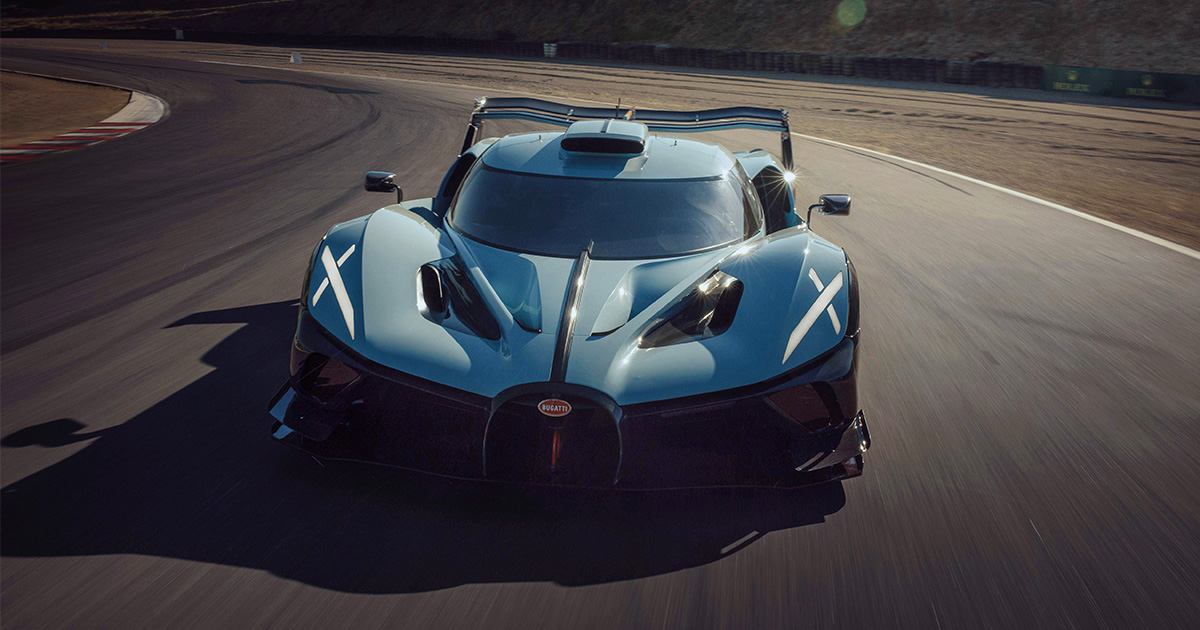
Bugatti Bolide: The Ultimate Hypercar That Redefines Speed and Performance
The Bugatti Bolide is more than just a hypercar; it…

Tougher Than Ever: A Deep Dive into the Durability and Performance of Ford’s Heavy-Duty Trucks
Ford's heavy-duty trucks have long been renowned for their robustness…