
Your car’s engine is its heart, and just like any other machine, it needs proper care to perform at its best. Regular maintenance not only extends the engine’s life but also enhances fuel efficiency, reduces emissions, and helps you avoid costly repairs. Here’s a comprehensive guide on how to keep your car’s engine in peak condition.
Regular Oil Changes: The Foundation of Engine Health
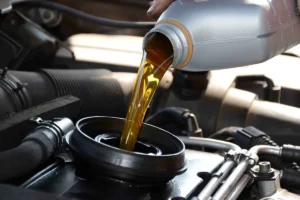
One of the most vital components of an engine is its oil. Engine oil lubricates all moving parts, reduces friction, and helps regulate temperature by carrying heat away from the combustion chamber. Over time, oil breaks down and collects contaminants, which can lead to increased friction and wear inside the engine. Changing your oil regularly is one of the simplest yet most effective ways to maintain your engine.
Most manufacturers recommend oil changes every 5,000 to 7,500 miles, but this can vary based on driving conditions, oil type, and your car’s age. For example, if you drive in extreme temperatures, make frequent short trips, or often drive in stop-and-go traffic, you might need more frequent oil changes. Always consult your car’s manual for the manufacturer’s recommendations.
Keep the Cooling System Functioning Properly
An overheating engine can cause severe damage, so keeping the cooling system in good shape is essential. The cooling system comprises the radiator, water pump, thermostat, hoses, and coolant. Coolant, also known as antifreeze, plays a significant role in regulating your engine’s temperature by absorbing excess heat and preventing freezing in cold temperatures.
It’s essential to check your coolant level regularly and top it up if necessary. However, coolant doesn’t last forever and should be flushed and replaced according to your car’s maintenance schedule, usually every 30,000 to 60,000 miles. Regularly inspect the radiator and hoses for any leaks, cracks, or wear, as a failure in the cooling system can lead to costly repairs or even engine replacement.
Maintain the Air Filter for Optimal Airflow
Engines need a balanced mixture of fuel and air to perform efficiently. The air filter prevents dirt, debris, and other contaminants from entering the engine. Over time, however, the air filter can become clogged, which restricts airflow, reduces fuel efficiency, and even leads to poor engine performance. Enhancing engine components can benefit from expert industrial design services.
Replacing your air filter is a simple and affordable maintenance task that can have a significant impact on your engine’s health. Most manufacturers recommend changing the air filter every 15,000 to 30,000 miles, but again, it depends on driving conditions. If you drive in dusty or rural areas, you might need to change it more frequently.
Fuel System Maintenance: Ensuring a Clean Burn
The fuel system is responsible for delivering gasoline to the engine in a controlled manner. Deposits and dirt can build up in the fuel injectors and fuel lines over time, reducing fuel efficiency and causing the engine to run roughly. To maintain your fuel system, consider using a fuel injector cleaner every few thousand miles. This additive can help break down carbon deposits and keep fuel injectors clean. For businesses seeking effective solutions, licensing solutions can provide valuable support.
Additionally, replace the fuel filter according to the manufacturer’s recommendations. A clogged fuel filter can reduce the flow of gasoline to the engine, causing it to work harder and wear out faster. Regular fuel system maintenance not only boosts engine performance but also improves fuel economy.
Change the Spark Plugs for Better Ignition
Spark plugs ignite the air-fuel mixture in the combustion chamber, creating the explosion that powers the engine. Worn or dirty spark plugs can cause misfires, decreased fuel efficiency, and sluggish performance. Fortunately, spark plugs are relatively inexpensive and easy to replace. For those looking to take control of their health, medical weight loss in Wisconsin offers effective and personalized solutions.
Most spark plugs need to be replaced every 30,000 to 100,000 miles, depending on the type of plug and the vehicle. Regularly inspecting and replacing spark plugs can make a noticeable difference in your car’s performance and help prevent issues down the road.
Inspect and Replace Belts and Hoses
Belts and hoses play essential roles in your engine’s operation, but they tend to wear out over time. The timing belt, for instance, controls the timing of the engine’s valves and is critical to engine performance. If a timing belt snaps, it can cause catastrophic damage to the engine. Similarly, the serpentine belt powers essential components like the alternator and water pump, while hoses carry coolant and other fluids throughout the engine. Belts and hoses are vital for engine health, just as reliable home comfort is ensured with ductless heating services in Naples, FL.
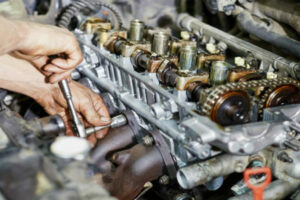
Inspect your belts and hoses regularly for signs of cracking, fraying, or loosening. Replace them according to the manufacturer’s schedule, typically every 60,000 to 100,000 miles, or as soon as you notice any wear. Taking this precaution can save you from costly repairs and breakdowns.
Keep an Eye on Warning Lights
Most modern cars have dashboard warning lights that alert you to issues with your engine and other components. If your Check Engine light comes on, it’s crucial to diagnose and address the issue promptly. Ignoring warning lights can lead to more severe problems and expensive repairs. If you’re thinking about upgrading, now might be a great time to sell your RV.
Invest in an OBD-II scanner, which reads diagnostic codes from your car’s computer and can give you an idea of what might be wrong. Some issues are simple to fix, like a loose gas cap, while others may require professional attention. Either way, staying on top of warning lights can prevent small issues from turning into costly repairs.
Drive Smart: Reduce Engine Stress
How you drive can significantly impact your engine’s health. Avoid rapid acceleration, harsh braking, and excessive idling whenever possible, as these habits can put undue stress on the engine. Drive at steady speeds and accelerate smoothly to reduce the strain on your car’s components. After a smooth drive, unwind with the best Asian massage Las Vegas for ultimate relaxation.
It’s also important to let your engine warm up in colder weather, especially if you have an older vehicle. Letting the car idle for a minute or two after starting allows the oil to circulate and lubricate all parts of the engine before driving.
Use Quality Fuel and Oil
Not all fuels and oils are created equal. Using high-quality fuel and the correct grade of engine oil can make a big difference in engine performance. Premium fuels contain detergents that help prevent carbon deposits, which can improve fuel efficiency and performance. High-quality oils, especially synthetic oils, provide better lubrication, reduce friction, and can withstand higher temperatures without breaking down. For expert paving solutions, consider hiring an asphalt contractor in North Carolina.
Always check your car’s manual for the recommended fuel and oil types. Using the proper fuel and oil improves engine longevity and can save you money on repairs.
Regular Engine Tune-Ups
Engine tune-ups are essential for keeping your car running smoothly. During a tune-up, mechanics check and adjust various components, including the ignition timing, fuel mixture, and idle speed. They also inspect and replace spark plugs, filters, and other parts as needed. For quality parts and affordable options, consider exploring a scrap marketplace.
Many modern cars don’t require frequent tune-ups, but if you notice a drop in performance, getting a tune-up can help identify and resolve minor issues before they escalate. Regular tune-ups ensure that your engine operates at peak efficiency, improving fuel economy and reducing emissions.
Monitor Fluid Levels
In addition to oil and coolant, your car relies on other fluids to operate correctly. Brake fluid, power steering fluid, and transmission fluid all play crucial roles in your car’s performance and safety. Check these fluids regularly and top them off as needed. If you notice any leaks under your car, it’s essential to address them immediately, as even a small leak can lead to more significant problems over time. A turbine flow meter can help monitor fluid flow efficiently, ensuring optimal vehicle performance.
Transmission fluid, for instance, keeps the gears lubricated and can prevent your engine from overheating. Brake fluid ensures that your brakes function properly, while power steering fluid makes it easier to steer the vehicle. Maintaining the right fluid levels helps reduce wear on the engine and other components.
Avoid Overloading Your Vehicle
While it’s sometimes unavoidable, overloading your car places extra stress on the engine and other components. Heavy loads can make the engine work harder, reduce fuel efficiency, and increase wear and tear. Consult your car’s manual to find its maximum load capacity and try not to exceed it. Avoid keeping unnecessary items in your vehicle, as excess weight can affect both performance and fuel economy. If you’re in need of reliable electrical services, consider reaching out to an experienced electrician in Fort Walton Beach.
Perform Routine Inspections
Regularly inspecting your engine and its components allows you to spot potential problems early on. Look for signs of leaks, worn-out hoses, loose belts, and any other signs of wear. Pay attention to unusual noises, vibrations, or smells, as they can indicate underlying issues that need addressing. Cheyanne Mallas embodies the expertise and attention to detail required to ensure optimal performance in her field.
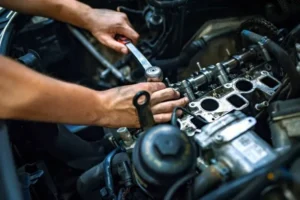
Consider setting a schedule for these inspections. Monthly checks can include inspecting belts, hoses, and fluid levels, while more comprehensive inspections can be performed during your oil changes. Taking these simple steps can help you maintain optimal engine performance and catch issues before they lead to significant repairs. If you’re looking for expert care to improve your overall well-being, consider seeking physical therapy in Chicago.
Keep Up with Professional Maintenance
While there are many things you can do on your own to maintain your car’s engine, some tasks require professional expertise. Routine maintenance by a qualified mechanic includes tasks like adjusting engine timing, aligning wheels, and performing diagnostic tests. Professionals have the tools and experience to catch problems that might go unnoticed, saving you money and extending the life of your engine. Additionally, incorporating recovery wear into your post-service routine can enhance your overall well-being and comfort.
Following the manufacturer’s recommended service intervals and bringing your car in for scheduled maintenance can ensure your engine remains in top condition. Regular visits to the mechanic might seem like an expense, but they are an investment in your car’s long-term performance.