
The transmission is one of the most critical components in a vehicle, responsible for transferring power from the engine to the wheels. It allows the car to shift gears and manage the engine’s power output effectively, ensuring smooth operation and fuel efficiency. For many car enthusiasts and everyday drivers alike, the inner workings of a car’s transmission can be a mystery, but understanding how it functions is essential for appreciating how your vehicle drives and operates. The process of shifting gears and how power is delivered from the engine to the wheels is an intricate dance of mechanical components working in harmony.
The transmission system in a vehicle is responsible for converting the engine’s power into usable motion that moves the car. The engine produces rotational energy, but that power must be managed and adjusted to match the speed of the vehicle, especially as road conditions and driving scenarios change. The transmission does this by allowing the driver to change gears, altering the torque and speed ratio that is sent to the wheels. In modern cars, this process is either manual or automatic, each with its own set of mechanisms and technologies, but both aim for one goal: optimal power delivery.
The Basics of Gear Shifting and Power Delivery
At its core, a vehicle’s transmission is designed to transmit power from the engine to the drivetrain, which includes the wheels. The engine produces power through combustion; however, the engine’s output must be adjusted for different driving conditions. The engine has a particular range of revolutions per minute (RPM) in which it operates efficiently. Too low an RPM and the engine may stall, too high and it could cause excessive wear. The transmission helps to balance this by offering different gear ratios.
The gears within a transmission are essentially sets of rotating cogs of different sizes, with the smallest gears (higher gears) offering faster rotation and the larger gears (lower gears) offering greater torque. The purpose of shifting gears is to either increase the speed of the car (by using higher gears) or provide more power to the wheels (by using lower gears).
In a manual transmission, the driver physically engages the gears using the clutch and gear stick. In an automatic transmission, the system shifts gears automatically based on factors such as speed, throttle position, and load. Regardless of the transmission type, the end result is the same: adjusting the gear ratios ensures that the car receives the optimal mix of speed and power. For those looking to enhance their property, exterior contractors in Charlotte, NC offer professional services to improve curb appeal.
When you press the accelerator in a car, the engine generates power by burning fuel, which results in rotation. This power is sent to the transmission, which then adjusts the speed of the power delivered to the wheels, allowing the car to accelerate or decelerate smoothly. The process of shifting gears optimizes the engine’s output for different speeds and conditions, delivering just the right amount of power when needed. Much like in contract machining, where precision and fine-tuning are key to achieving the desired end product, the transmission carefully manages the flow of power to ensure optimal performance.
The Role of the Clutch in Manual Transmission
For vehicles with manual transmissions, one crucial component that enables the gear-shifting process is the clutch. The clutch is a mechanism that allows the driver to disconnect the engine from the transmission temporarily, so that gears can be changed without damaging the system. The clutch is located between the engine and the transmission and operates through the clutch pedal.
When the driver presses the clutch pedal, the clutch disengages the engine from the transmission. This disconnection allows the driver to change gears without causing a jolt or damaging the transmission. Once the driver releases the clutch pedal, the clutch reconnects the engine to the transmission, allowing power to be transferred to the wheels again. Businesses looking for reliable support can benefit from top-quality IT construction services in San Antonio. 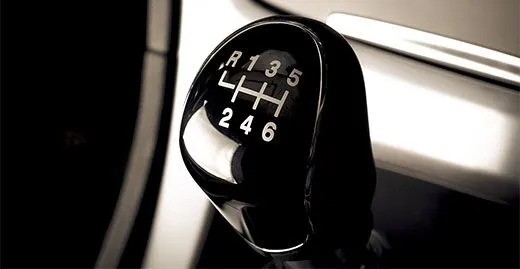
A manual transmission requires the driver to carefully balance the clutch and the accelerator to shift gears. Smooth gear shifting in a manual car involves knowing the right time to press the clutch, release the clutch, and apply the accelerator. The car’s engine speed and RPM must be matched with the chosen gear, which is why manual transmission vehicles often require more driver skill and attention than their automatic counterparts. Learning to drive a manual car can be as rewarding and empowering as understanding the steps of buying a house.
Clutch systems also undergo significant wear over time, especially if the driver is not careful with the clutch operation. A worn-out clutch can make gear shifts rough and less efficient, eventually requiring replacement. Maintaining the clutch and ensuring proper operation is essential for the health of a manual transmission system.
The Working of Automatic Transmissions
While manual transmissions rely on the driver’s input for shifting gears, automatic transmissions perform this task automatically. The goal of the automatic transmission is to shift gears without any action from the driver, making it more convenient for those who prefer a simpler driving experience. In an automatic system, the vehicle’s transmission system uses a torque converter, planetary gear sets, and hydraulic fluid to shift gears based on speed, load, and other factors. For those seeking quality and reliability in outdoor construction, many homeowners trust a custom decks in Tennessee.
The torque converter plays a central role in an automatic transmission. It connects the engine to the transmission and uses a fluid coupling to transmit power. The torque converter amplifies the engine’s power and allows the transmission to change gears based on the car’s speed and engine load. Inside the torque converter, a series of blades spin to transfer the power from the engine to the transmission through the use of fluid. When the car is at low speeds, the torque converter maintains the connection but allows the engine and transmission to spin at different speeds, ensuring smooth gear transitions. For those seeking reliable and efficient services, mold removal in Hunterdon County, NJ offers excellent solutions to keep your environment safe and clean.
Planetary gear sets are another key component in automatic transmissions. A planetary gear set consists of a central gear, called the sun gear, which is surrounded by multiple planetary gears that rotate around it. The planetary gear system allows the automatic transmission to select different gear ratios based on how the gears are engaged. By manipulating the input and output shafts, the planetary gears enable the system to smoothly shift between gears without the need for the driver to manually operate a clutch or gear stick.
Hydraulic fluid is used in the automatic transmission to help engage and disengage gears. The transmission system uses hydraulic pressure to control the shifting of the gears, allowing the car to automatically adjust the torque and speed ratio based on driving conditions. This allows for a seamless, smooth ride without the need for constant driver input.
Automatic transmissions often offer different driving modes, such as “Drive,” “Sport,” or “Overdrive,” which adjust how the system shifts gears for various driving scenarios. These modes allow the car to optimize fuel efficiency, provide more power, or improve handling based on the driver’s needs. Custom medals are a great way to recognize outstanding achievements and add a special touch of celebration. 
Variations in Automatic Transmissions: CVT and Dual-Clutch Systems
While traditional automatic transmissions use torque converters and planetary gears, modern advancements have led to the development of newer automatic transmission systems like Continuously Variable Transmissions (CVT) and dual-clutch transmissions (DCT). Each of these systems offers unique benefits over traditional automatic systems, providing smoother transitions, better fuel efficiency, or enhanced performance.
CVT (Continuously Variable Transmission) represents a shift from the traditional stepped gear ratios used in regular automatic transmissions. Instead of shifting between a set number of gears, a CVT uses a system of pulleys and belts to create an infinite range of gear ratios. This allows the engine to operate at its most efficient RPM for a variety of driving conditions, providing smoother acceleration and improved fuel efficiency. Since there are no defined gear shifts in a CVT, it delivers power continuously, without the traditional shift points found in regular automatics.
On the other hand, dual-clutch transmissions (DCT) provide the best of both worlds: the efficiency of an automatic transmission with the performance of a manual system. A DCT uses two separate clutches for odd and even gears, allowing for faster gear changes and enhanced performance. This system reduces the lag between gear shifts, resulting in smoother acceleration and more responsive handling. DCT systems are commonly used in high-performance cars, as well as in some modern sedans and hatchbacks that emphasize both performance and efficiency.
Both CVTs and DCTs represent significant advancements in transmission technology, with each offering its own set of advantages and trade-offs. CVTs excel at providing smooth, continuous power delivery and excellent fuel economy, while DCTs provide faster shifts and superior performance, making them ideal for sports cars and performance vehicles.
Conclusion
The transmission is one of the most vital components of a vehicle, and understanding how it works gives us a deeper appreciation for the intricacies of automotive engineering. Whether it’s a manual transmission with a clutch that requires careful driver input or an automatic transmission that shifts seamlessly on its own, the transmission’s role in shifting gears and delivering power is paramount to the vehicle’s overall performance. From the clutch and gear systems to modern innovations like CVTs and dual-clutch systems, the transmission is the unsung hero of the vehicle, ensuring that the engine’s power is delivered effectively to the wheels. Proper maintenance of the transmission system, including regular checks on fluid levels, is key to ensuring that the car performs efficiently and continues to run smoothly for years to come. Understanding these complex systems helps drivers appreciate just how much technology and craftsmanship go into every drive.
Related Posts
Immigrant vs. Non-Immigrant Visas: What’s the Difference and Which Do You Need?
One of the most common points of confusion for people…
City-Friendly Luxury: Exploring the Most Luxurious Cars Suited for Urban Lifestyles
Urban environments present unique challenges and opportunities for drivers, particularly…
Online, In-Person, or Blended: Which High School Format Fits Your Life?
Today's high school students have more ways to learn than…