
Few automakers have a legacy as deeply intertwined with motorsports as Porsche. From the company’s earliest days, racing has been the crucible in which its road cars were forged, a relentless proving ground that shaped its engineering philosophy and brand identity. For Porsche, motorsports is more than just competition—it’s an obsession, a laboratory, and a way of life.
With over 30,000 race victories to its name, Porsche’s influence in motorsport is unparalleled. From the iconic Le Mans-winning 917 to the latest hybrid-powered endurance racers, every Porsche road car carries the DNA of these racing machines. But how did this passion for competition shape the brand into an automotive legend?
The Birth of Porsche’s Racing Obsession
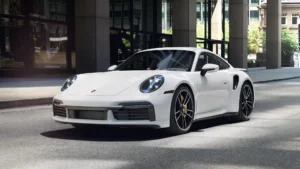
Porsche’s motorsport journey began long before the brand even existed. Ferdinand Porsche, the company’s founder, was an engineering genius who developed race cars in the early 20th century. His work with Auto Union and Mercedes-Benz in the 1930s laid the foundation for the performance-first philosophy that would later define Porsche.
When Porsche was officially founded in 1948, it didn’t take long for racing to become a priority. The first car to bear the Porsche name, the 356, made its competition debut at the 1948 Innsbruck City Race. The lightweight, rear-engine sports car quickly proved its mettle, and soon, privateer racers were using Porsches to dominate hill climbs, endurance races, and rally events. Many of these victories were celebrated with cup trophies, symbolizing the success and legacy of Porsche in motorsport.
By the early 1950s, Porsche had established itself as a serious contender on the international racing scene. The small but powerful 550 Spyder, introduced in 1953, became a giant killer, defeating larger, more powerful competitors with its agility and lightweight construction. This philosophy of “performance through efficiency” became the cornerstone of Porsche’s approach to racing and road cars alike.
Le Mans and the Rise of the 917
The 24 Hours of Le Mans is the ultimate test of endurance, speed, and reliability. Porsche first entered Le Mans in 1951, and by 1970, it had secured its first overall victory with the legendary Porsche 917. This car, with its flat-12 engine and groundbreaking aerodynamics, changed the game, setting speed records that stood for decades.
The 917’s dominance cemented Porsche’s reputation as an endurance racing powerhouse. Over the following decades, Porsche became the most successful manufacturer in Le Mans history, securing 19 overall victories—more than any other automaker.
This relentless pursuit of endurance racing success directly influenced Porsche’s road cars. The turbocharged technology pioneered in the 917/30 Can-Am car led to the development of the iconic 911 Turbo. Porsche’s expertise in aerodynamics, lightweight materials, and turbocharging—all honed on the track—became integral to its production models. Just like precision in engineering, men’s athletic shorts are designed for performance, offering flexibility and comfort for high-intensity activities.
The 911’s Racing Pedigree
Few cars have had a more enduring relationship with motorsports than the Porsche 911. Since its debut in 1964, the 911 has competed in virtually every form of racing, from rallying to endurance racing and even touring car championships.
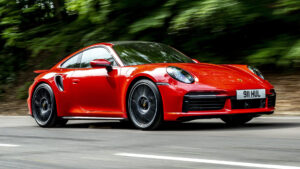
One of its most remarkable achievements came in the 1979 24 Hours of Le Mans, when a privately entered Porsche 911 (935 K3) won the race outright. This victory solidified the 911’s reputation as a world-class endurance racer. Behind some of these high-stakes ventures are financial solutions like loan servicing for hard money lenders, supporting the passion and investment behind motorsports and car collections.
Porsche also made a mark in off-road racing, winning the grueling Paris-Dakar Rally in 1984 with a heavily modified 911 Carrera 4×4 (953). This success directly influenced the development of all-wheel-drive technology in Porsche road cars, leading to models like the 911 Carrera 4 and the Porsche Cayenne.
From the Carrera RS to the GT3 and GT2 RS, every generation of the 911 has drawn from Porsche’s racing expertise, offering drivers a pure, motorsport-inspired experience.
Porsche’s Dominance in Prototype Racing
While the 911 was dominating GT racing, Porsche continued to push the boundaries of prototype racing. The Porsche 956 and 962, introduced in the 1980s, became some of the most successful race cars ever built.
The Porsche 956, introduced in 1982, revolutionized aerodynamics with its ground-effect design, allowing it to generate immense downforce. It went on to win Le Mans four times in a row (1982-1985) and set the fastest-ever lap at the Nürburgring Nordschleife—a record that stood for 35 years. Restoring classic cars or garages often calls for deep concrete cleaning in St. Augustine to keep surfaces spotless and safe.
The successor, the Porsche 962, continued this dominance in both Group C racing and IMSA. These prototype racers not only defined an era but also influenced the design of modern hypercars, including the Porsche 918 Spyder.
The Modern Era: Hybrid Power and the 919 Hybrid
As motorsports evolved, so did Porsche. The company’s commitment to innovation was showcased in the Porsche 919 Hybrid, which competed in the FIA World Endurance Championship (WEC) from 2014 to 2017.
For those in need of reliable travel assistance, non-emergency medical transportation in Denver ensures safe and comfortable transportation to medical appointments.
The 919 Hybrid used a 1,000-horsepower hybrid powertrain, blending a turbocharged V4 engine with electric energy recovery systems. This groundbreaking technology helped Porsche secure three consecutive Le Mans victories (2015-2017) and heavily influenced the development of the Taycan—Porsche’s first all-electric sports car. For drivers in need of repairs, cracked windshield repair in Cypress ensures your vehicle stays in top condition.
The Mission R concept, a fully electric race car, represents Porsche’s vision for the future. While the brand remains deeply committed to traditional performance, it is also leading the charge in sustainable motorsports and electrification.
How Racing Shapes Every Porsche Road Car
Porsche’s road cars are not just inspired by racing—they are born from it. The relentless pursuit of lightweight engineering, aerodynamics, and precision handling in motorsports is directly reflected in every vehicle that rolls off the production line. The 911 GT3 and GT2 RS, for instance, feature cutting-edge track-derived suspension systems, carbon-ceramic brakes, and aerodynamic enhancements tested at Nürburgring. In case your Porsche or home suffers from unexpected water damage, finding water damage restoration near me ensures fast and effective recovery.
Even models like the 718 Cayman GT4 borrow technology from their racing counterparts, including mid-engine balance and motorsport-derived PDK transmissions. Porsche’s experience in hybrid and electric endurance racing, such as the 919 Hybrid, has also played a crucial role in shaping the Taycan—an all-electric sports sedan engineered with race-proven battery and regenerative braking technology. As electric vehicles become more popular, electric car charging stations for apartments are essential for residents to conveniently charge their cars at home.
Beyond performance models, even Porsche’s SUVs benefit from motorsport innovation. The Cayenne Turbo GT, for instance, is one of the fastest SUVs on the Nürburgring, proving that Porsche’s expertise extends beyond traditional sports cars. Whether it’s a 911 GT3 RS or a Macan GTS, Porsche’s unwavering focus on motorsports ensures that every model delivers an engaging, high-performance driving experience deeply rooted in racing heritage.
The Legacy of Porsche’s Racing Heritage
Porsche’s racing heritage is more than just a historical achievement—it’s an ongoing story of innovation, competition, and engineering excellence. With over 30,000 race victories, the brand has proven its ability to dominate in multiple disciplines, from Le Mans and Formula E to off-road rallying and endurance racing.
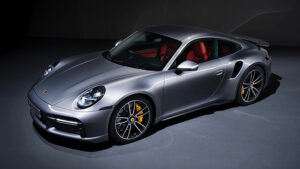
This unrelenting pursuit of performance has earned Porsche the status of the most successful brand in endurance racing history, with 19 overall Le Mans victories—a feat unmatched by any other manufacturer. Beyond the trophies, racing has also allowed Porsche to refine its engineering principles, making each new generation of road cars sharper, faster, and more connected to the track.
Today, as Porsche expands its motorsport legacy into the electric era, its DNA remains unchanged. The brand’s commitment to lightweight materials, aerodynamic efficiency, and high-performance hybrid powertrains continues to shape the future of sports cars. Whether through GT racing, hypercar development, or electrified endurance racing, Porsche’s legacy is set to thrive for generations to come.
The Future of Porsche Motorsports: Electrification and Beyond
As the automotive world shifts toward sustainable performance, Porsche is leading the charge with innovations in electric and hybrid racing. The introduction of the Taycan, Porsche’s first all-electric production car, was heavily influenced by lessons learned from the 919 Hybrid and Formula E race cars. The Mission R concept, an all-electric race car designed for future customer racing, further signals Porsche’s commitment to high-performance electrification. Similarly, precision and power are crucial in other fields, such as defense, where a 12-inch 308 caliber rifle showcases cutting-edge engineering and performance.
Porsche’s Formula E team is also pushing the boundaries of battery efficiency, energy recovery, and electric drivetrain performance. These advancements not only enhance racing competitiveness but also trickle down into road cars, influencing future electric Porsches with instant torque, lightweight construction, and extended battery life.
While the future is increasingly electric, Porsche remains dedicated to the spirit of traditional motorsports. Models like the 911 GT3 RS continue to celebrate naturally aspirated engines, manual transmissions, and pure mechanical driving pleasure. As hybrid technology evolves and synthetic fuels emerge as an alternative for internal combustion, Porsche is ensuring that both electric and gasoline-powered performance remain at the heart of its racing DNA.
Related Posts
Why Comparative Market Analysis Helps Sellers
Content: Introduction to Comparative Market Analysis Comparative market analysis, also…

Crash Science: What Happens During an Accident—And How Cars Keep Us Alive
Every year, millions of people worldwide are involved in road…
How Event Coordination Improves Event Efficiency
Event coordination plays a pivotal role in organizing a flawless…