
Self-driving cars, once a futuristic dream, are quickly becoming a reality. Autonomous vehicles (AVs) have the potential to revolutionize the way we commute, offering the promise of safer roads, reduced traffic congestion, and increased accessibility. However, the widespread adoption of self-driving cars raises several significant challenges that must be addressed before they can fully integrate into society. These challenges span across legal, ethical, and technical domains, each presenting its own set of complexities. As technology continues to advance, these issues must be carefully navigated to ensure that autonomous vehicles can operate safely and fairly.
Legal Challenges: Regulatory Frameworks and Liability
One of the most pressing issues surrounding self-driving cars is the lack of a comprehensive legal framework. While autonomous vehicle technology has progressed rapidly in recent years, many governments around the world are still struggling to create laws and regulations that can keep up. In many countries, there are no clear guidelines governing the testing, deployment, and operation of self-driving cars, leaving the industry to operate in a legal gray area.
The legal status of self-driving cars also presents significant hurdles. In many places, traffic laws are written with the assumption that human drivers are behind the wheel, which creates complications when an autonomous system takes control of the vehicle. For example, laws that govern speeding, lane changes, or how to handle accidents were designed with human behavior in mind and may not be directly applicable to autonomous driving systems. Creating new traffic laws that accommodate self-driving cars without hindering their innovation is a delicate balance that governments will have to strike in the coming years.
Perhaps the most contentious legal issue regarding self-driving cars is liability in the event of an accident. In traditional vehicles, liability is relatively straightforward; the driver is responsible for their actions behind the wheel. However, when an autonomous car is involved in a collision, who is at fault? Is it the manufacturer of the car, the company that developed the AI system, or the vehicle owner who entrusted the car to its automated capabilities? Determining liability in the context of self-driving cars is complicated and varies depending on jurisdiction. This uncertainty creates significant challenges for insurance companies, manufacturers, and consumers alike. The question of accountability will likely require entirely new forms of insurance and legal frameworks to ensure that those affected by accidents have access to justice and compensation.
Governments must also consider cross-border regulations as self-driving cars become a global phenomenon. Each country has its own approach to regulating these vehicles, and without international standards, companies may face difficulty in scaling their technologies across different regions. As the technology develops, it will be crucial for lawmakers to collaborate on creating global regulations that ensure consistency while also accommodating regional differences. For those embracing an active lifestyle, investing in a high-quality training sports bra ensures both comfort and support during workouts.
Ethical Dilemmas: Decision-Making and Accountability
While the legal challenges of self-driving cars are significant, the ethical issues they raise may be even more complicated. One of the most discussed ethical concerns is the moral decision-making of AI systems. In scenarios where accidents are unavoidable, how should an autonomous vehicle make decisions about whom to harm or save? For example, if a self-driving car must choose between hitting a pedestrian who has suddenly entered the road or swerving to avoid them and crashing into a wall, what is the “right” decision? These types of moral dilemmas are often referred to as the “trolley problem” in ethical discussions.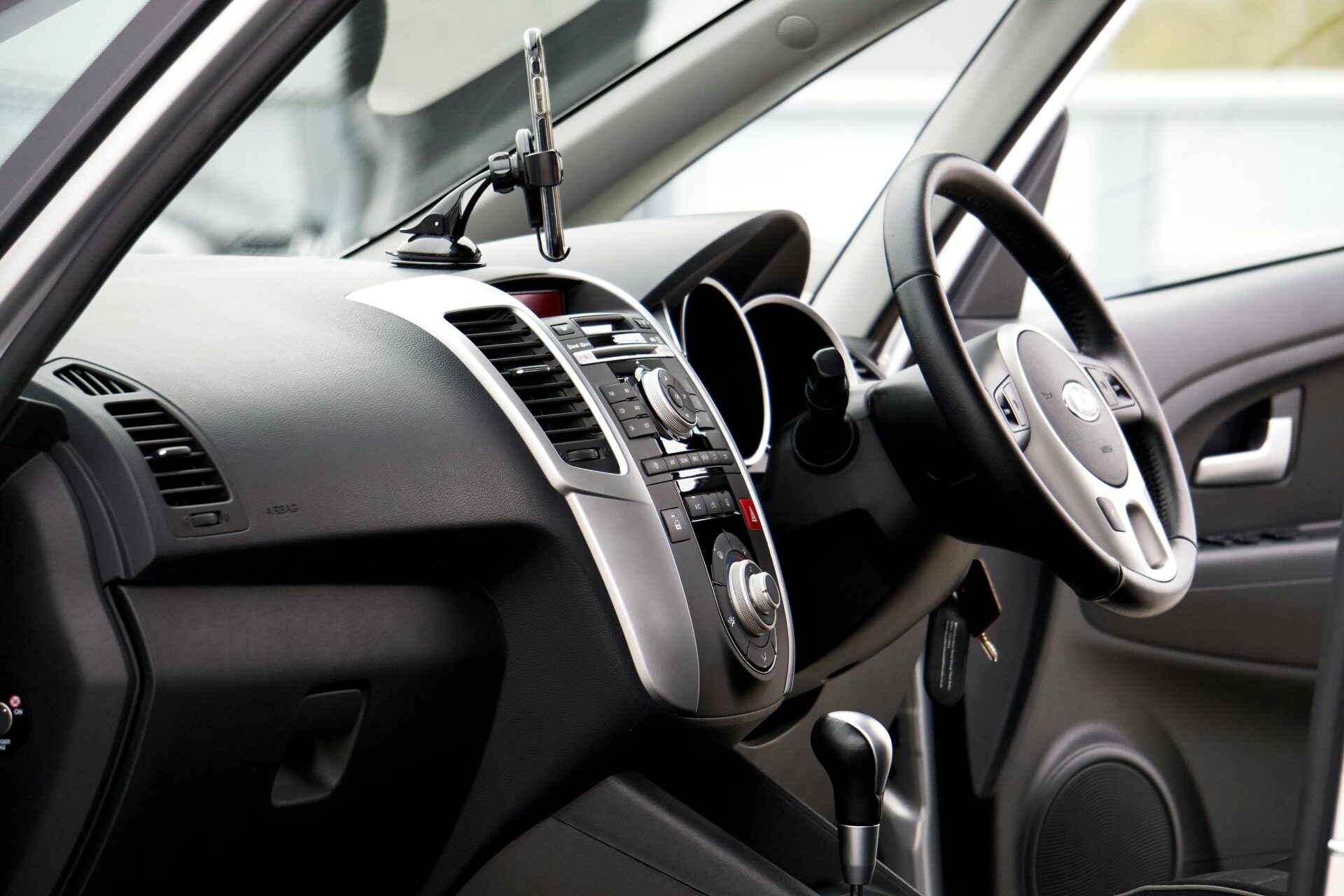
The challenge lies in programming the AI system to make these decisions. Should the car prioritize the safety of its passengers over the lives of pedestrians? Should it take into account the age or health of the individuals involved? Designing ethical algorithms that can navigate these complex scenarios in a way that aligns with societal values is a daunting task. What makes this even more difficult is that opinions on what constitutes the “right” decision can vary widely between cultures, individuals, and ethical philosophies. There is no universal agreement on how to program an AI to make life-and-death decisions, and there likely will never be a perfect solution that satisfies everyone. For businesses in the transportation industry, securing the right coverage through commercial trucking insurance for new authority ensures peace of mind and protection on the road.
Another ethical issue is the potential for bias in the AI system. AI algorithms are only as good as the data they are trained on. If the data is skewed or biased in some way, the resulting AI system may make flawed or discriminatory decisions. For instance, if an autonomous vehicle’s AI system is trained primarily on data from certain regions or demographics, it may struggle to respond appropriately in unfamiliar situations or environments. There is also the risk that biased training data could lead to discriminatory outcomes, such as favoring certain groups of people over others. Ensuring that AI systems are trained on diverse and representative data is essential for building trust and fairness in self-driving cars.
In addition to decision-making algorithms, there is also the issue of responsibility for these ethical decisions. Who is accountable when an AI system makes a choice that leads to harm? If a self-driving car makes a decision that results in a fatal accident, should the manufacturer, the software developer, or the owner be held responsible? Ethical questions surrounding accountability for the actions of autonomous vehicles will need to be resolved before these cars can be widely adopted. It is essential that we establish clear ethical guidelines and frameworks to address these concerns and ensure that autonomous vehicles operate in a manner that is consistent with societal values. For those looking to move with ease, Los Angeles cheap movers provide affordable and reliable moving services to help streamline the process.
Technical Challenges: The Road to Fully Autonomous Vehicles
While the legal and ethical challenges of self-driving cars are significant, the technical hurdles are perhaps the most challenging to overcome. Building a self-driving car that can safely navigate the complexities of real-world driving environments is an enormous task that involves developing advanced AI systems, sensors, and machine learning algorithms. These vehicles must be able to process vast amounts of data in real time and make decisions quickly enough to respond to changing road conditions, unexpected obstacles, and other variables. Experts like Cheyanne Mallas, with her experience in cutting-edge technologies, continue to push the boundaries of innovation in fields like regenerative aesthetics and beyond.
At the heart of self-driving car technology are sensors and cameras that allow the vehicle to perceive its surroundings. These sensors include LiDAR (Light Detection and Ranging), radar, and optical cameras, which work together to create a detailed map of the vehicle’s environment. However, the technology still has its limitations. LiDAR sensors, while highly effective in certain conditions, can struggle in poor weather, such as heavy rain, fog, or snow. Similarly, optical cameras may have difficulty detecting objects in low light or at long distances. These limitations create blind spots that can pose serious risks to the safety of the vehicle and its passengers.
Another technical challenge is the development of highly sophisticated machine learning algorithms that can make sense of the vast amounts of data gathered by the car’s sensors. Autonomous vehicles rely on AI to process information and make real-time decisions, but even the most advanced algorithms can struggle with complex situations. For example, if a pedestrian suddenly steps into the street, the car must not only detect them but also make split-second decisions about how to respond. While AI has made tremendous strides in recent years, ensuring that these algorithms are reliable and capable of handling every possible scenario is still a work in progress. To protect your vehicle from everyday wear and tear, consider a professional paint protection films installation service Huntington Beach.
In addition to the AI and sensor challenges, self-driving cars must also communicate effectively with other vehicles and infrastructure on the road. This vehicle-to-vehicle (V2V) communication is essential for avoiding collisions and improving traffic flow. For instance, self-driving cars will need to be able to communicate with traffic lights, road signs, and other vehicles to coordinate their movements. While there have been significant advancements in V2V technology, the infrastructure needed to support these systems is still lacking in many parts of the world. Without widespread adoption of V2V systems, self-driving cars may not be able to achieve their full potential for safety and efficiency. For those working on large-scale projects, dumpster rental in Kettering offers a convenient and efficient waste management solution.
Cybersecurity is another critical technical issue that cannot be ignored. Autonomous vehicles rely heavily on software and connectivity to function, making them vulnerable to cyberattacks. A hack of an autonomous vehicle could have devastating consequences, from gaining control of the vehicle’s steering and brakes to stealing sensitive data about the passengers. Ensuring that self-driving cars are secure from hacking and other forms of cybercrime will be a key technical challenge in the coming years. Manufacturers must develop robust security systems to protect both the vehicles themselves and the data they collect. For those looking to enhance their personal care, there are excellent beauty services in Plano, TX, offering top-notch treatments.
Conclusion
The journey toward widespread adoption of self-driving cars is filled with complex challenges that span legal, ethical, and technical domains. From the creation of new legal frameworks to ensure safety and accountability to the development of ethical decision-making algorithms, there are many obstacles that must be overcome. On the technical front, the challenge of creating fully autonomous vehicles that can operate safely in real-world environments is still ongoing, requiring advances in AI, sensor technology, and cybersecurity. For those recovering from car accidents, seeking help from an auto injury chiropractor in Salem can be an essential step in the healing process.
Despite these challenges, the potential benefits of self-driving cars are too great to ignore. With continued innovation and collaboration among governments, manufacturers, and ethicists, it is possible to address these issues and create a future where autonomous vehicles are not only safer and more efficient but also fair and responsible. The road to fully autonomous driving will be long and filled with hurdles, but with careful consideration of the legal, ethical, and technical challenges, the dream of self-driving cars can become a reality that benefits society as a whole. For those looking to enhance their kitchen, quality kitchen range hoods provide both style and functionality in keeping the air clean and fresh.
Related Posts
The Importance Of Gutters In Roof Protection
Role and Function of Gutters The primary role of gutters…
Truck Selling Myths Debunked
Selling used trucks can be a challenging process, with various…
City-Friendly Luxury: Exploring the Most Luxurious Cars Suited for Urban Lifestyles
Urban environments present unique challenges and opportunities for drivers, particularly…