
Tokyo, Japan, is a city of contrasts: ultramodern skyscrapers and neon-lit streets coexist with narrow alleys and historic neighborhoods. Among its many vibrant subcultures, street racing has held a unique and enduring fascination, both within Japan and internationally. While Tokyo’s street racing scene has roots in real-world automotive enthusiasm, it has been profoundly shaped and mythologized by popular culture, particularly anime and movies. The interplay between fiction and reality has helped define Tokyo’s street racing identity, creating a cultural feedback loop where media influences enthusiasts, and the scene, in turn, inspires new stories on screen.
From the late 20th century onward, Japanese animation, or anime, has offered stylized yet detailed portrayals of street racing. Series such as Initial D not only entertained audiences but also educated them about car models, racing techniques, and the geographic and cultural landscapes of Japan’s roads. These shows often focus on specific elements of racing culture, such as drifting, engine tuning, and underground competitions. By presenting street racing with technical precision and dramatic flair, anime has elevated the subculture from niche automotive interest to an internationally recognized phenomenon. Enthusiasts abroad learned about Tokyo’s highways, the artistry of drifting, and the importance of car customization through the lens of compelling storytelling.In this way, anime turned street racing culture into a visible badge of identity, worn as proudly and recognizably as graphic veteran t-shirts, allowing fans worldwide to signal shared knowledge, values, and allegiance to the subculture.
Movies have similarly contributed to the cultural construction of Tokyo’s racing identity. Both domestic and international films have highlighted the high-speed excitement and social dynamics of street racing. Japanese films like Shuto Kousoku Trial and the Wangan Midnight adaptations showcase the city’s highways and urban environments, portraying racing as both a technical challenge and a lifestyle. These films often emphasize not just speed but strategy, camaraderie, and rivalry, creating a layered depiction of racing culture. At the same time, international productions like the Fast & Furious franchise have borrowed aesthetic cues from Tokyo, particularly drifting and neon cityscapes, reinforcing global perceptions of the city as a hub for street racing. Together, anime and movies create a media-driven identity that continues to influence both the real-world scene and public imagination.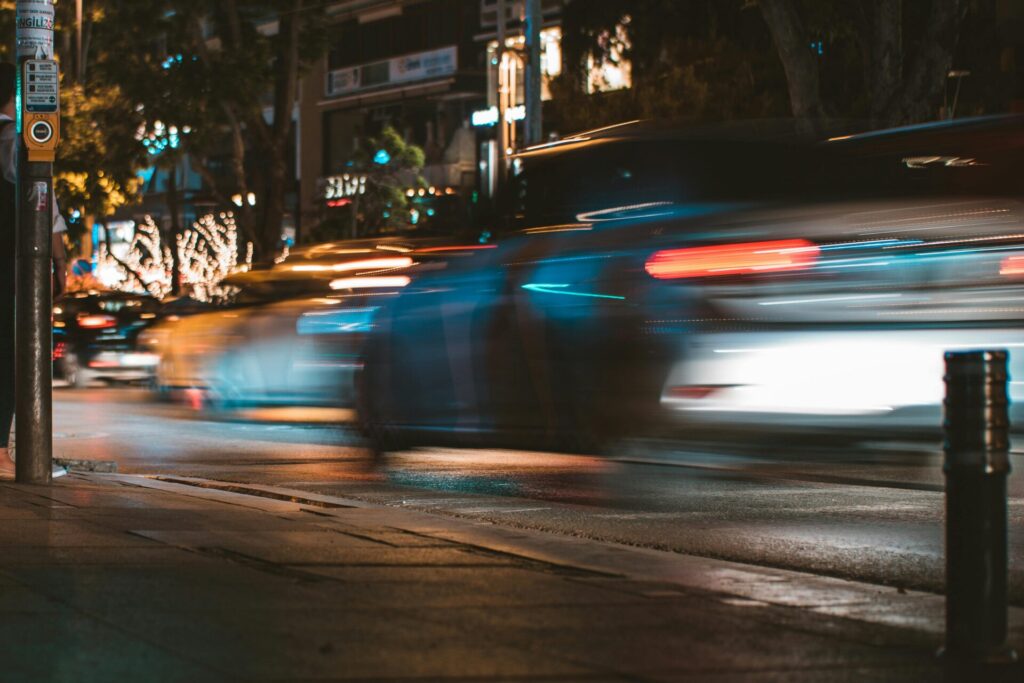
Anime as a Cultural Catalyst for Racing Enthusiasm
Anime has been central to the popularization and mythologization of Tokyo’s street racing subculture. The most notable example is Initial D, a manga series turned anime in the 1990s, which revolutionized how drifting and mountain racing were depicted. The series focused on Takumi Fujiwara, a teenage driver who honed his skills delivering tofu on mountain roads, and it depicted his progression into competitive racing. The show’s detailed portrayal of car mechanics, racing techniques, and specific mountain passes resonated deeply with fans, inspiring a generation of enthusiasts to explore drifting, car modifications, and Japanese racing culture more broadly.
One of the key contributions of anime like Initial D is its meticulous attention to technical realism. Every turn, acceleration, and drift is carefully illustrated to reflect actual racing physics. Car models are accurately rendered, from the Toyota AE86 Trueno driven by Takumi to the variety of performance vehicles competing against him. The inclusion of authentic road conditions, racing strategies, and car tuning concepts allowed anime to serve not merely as entertainment but also as an informal educational platform. Viewers gained insights into automotive culture, engine tuning, tire selection, and the subtleties of drifting—all of which enhanced their engagement with real-world racing communities.
Anime also romanticizes the subculture, presenting racing as a form of personal expression and identity. Characters’ relationships with their cars often reflect broader themes of discipline, creativity, and individual skill. This narrative approach resonates with viewers worldwide, contributing to the perception of Tokyo’s street racing scene as not only technically impressive but culturally rich. The international success of anime has ensured that this portrayal of Japanese racing culture influences fans and potential racers far beyond the city itself. Online forums, car meetups, and global drifting events often cite anime as a primary source of inspiration, demonstrating the medium’s lasting impact on Tokyo’s street racing identity.
Movies and the Cinematic Mythology of Tokyo Racing
While anime provides an intricate, serialized exploration of racing culture, movies contribute a complementary, cinematic dimension to Tokyo’s street racing identity. Japanese films and adaptations of racing manga have portrayed the thrill and tension of high-speed competition in urban and highway settings. Movies such as Wangan Midnight and Shuto Kousoku Trial focus on racing along the expressways of Tokyo, emphasizing the combination of strategy, speed, and cityscape navigation. These films highlight the technical demands of racing while also conveying the social and emotional stakes, from rivalries to the bonds forged through shared experiences on the road.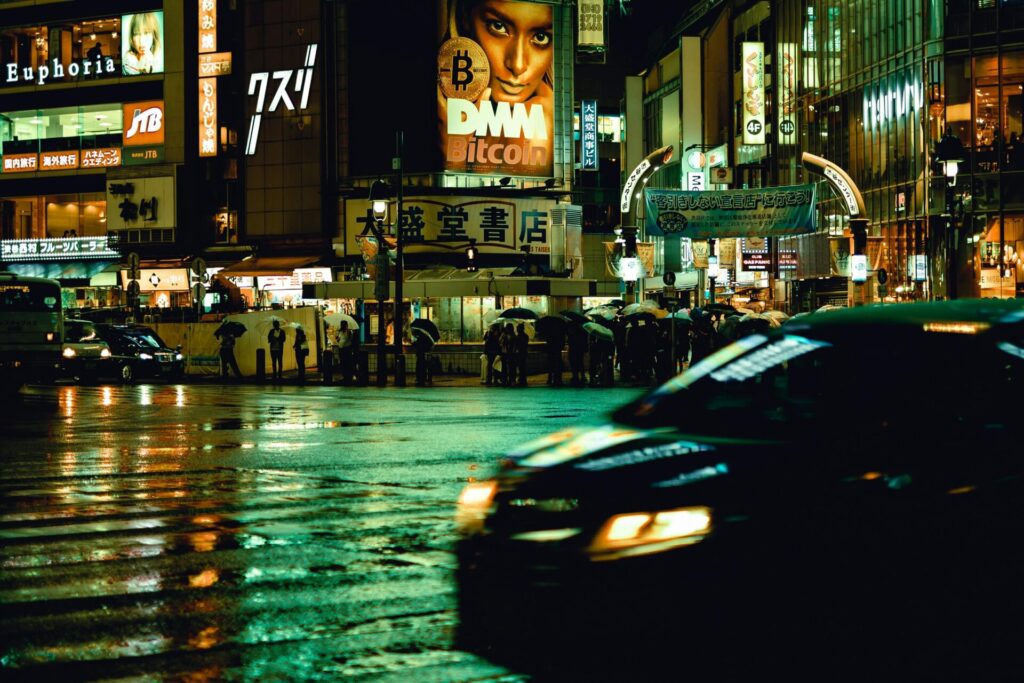
The visual aesthetics of Tokyo’s streets are also central to the cinematic representation of racing. Neon signage, wet asphalt, and sprawling urban architecture create a distinct atmosphere that has become synonymous with Japanese street racing. Directors carefully craft scenes to balance realism with dramatic tension, often using long tracking shots, dynamic camera angles, and meticulously choreographed stunts to immerse audiences in the experience. The cinematic portrayal emphasizes the artistry of driving and the thrill of movement, reinforcing the perception of Tokyo as a city uniquely suited for high-speed competition.
International films, particularly the Fast & Furious franchise, have further amplified Tokyo’s global reputation as a street racing hub. Installments such as Tokyo Drift borrowed heavily from Japanese racing aesthetics, featuring drifting competitions on urban streets and showcasing modified vehicles with neon accents. By exporting the visual and cultural tropes of Tokyo racing to a worldwide audience, these movies cemented the city’s identity as the epicenter of street racing culture. This feedback loop has encouraged tourism, cosplay, and international drifting competitions, all of which reinforce the influence of media portrayals on the real-world scene.
Real-World Impact on Tokyo’s Street Racing Scene
The influence of anime and movies extends beyond imagination, directly shaping the behaviors and aesthetics of real-world street racers in Tokyo. The popularity of drifting as a technique, for instance, has been bolstered by Initial D and Tokyo Drift, inspiring drivers to focus on controlled, high-skill maneuvers rather than mere speed. Car customization trends, including neon underglow lighting, body kits, and performance tuning, are often inspired by the vehicles portrayed in both anime and film. These media portrayals have created a shared visual language and set of expectations within the street racing community, guiding style choices, racing strategies, and even the selection of popular racing routes.
Additionally, anime and movies foster a sense of community and identity among enthusiasts. Fans often organize meetups, cosplay events, and themed car shows, creating social spaces where the influence of media is tangible. Online forums and social media groups discuss specific techniques, reference favorite scenes, and emulate the aesthetics of fictional racing worlds. This community-driven engagement illustrates how media representations do not merely reflect culture but actively participate in its formation. In this way, Tokyo’s street racing scene is simultaneously real and performative, blending authentic automotive skill with media-inspired stylization.
Media influence also intersects with technology. GPS mapping of popular mountain roads, simulation video games, and online tutorials inspired by anime and movie scenes have allowed fans to practice virtually before translating their skills to actual streets or tracks. The digital amplification of Tokyo’s street racing culture has expanded its reach, attracting international enthusiasts who may never visit the city in person but who nonetheless participate in the community through digital means. This global engagement reinforces Tokyo’s reputation as a central node in the worldwide street racing network, linking media, real-world activity, and digital fandom into a cohesive cultural ecosystem.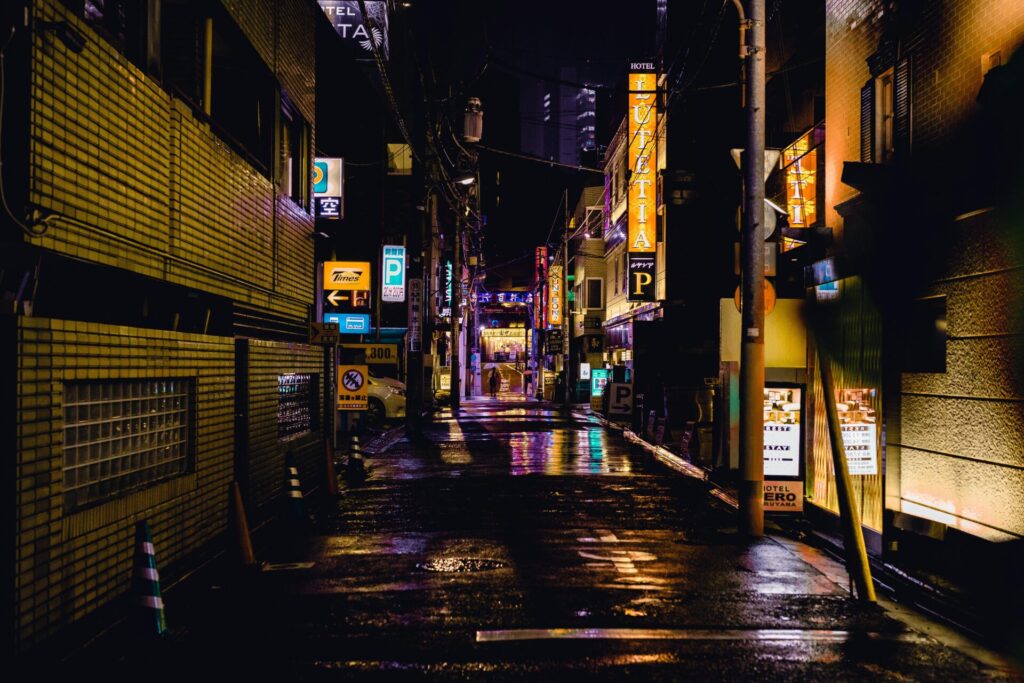
Conclusion
The influence of anime and movies on Tokyo’s street racing identity is profound and multifaceted. Through detailed storytelling, meticulous technical representation, and compelling visual aesthetics, media has elevated Tokyo’s street racing culture from a local phenomenon to a globally recognized symbol of automotive skill and style. Anime such as Initial D provides technical insight and cultural depth, while movies like Wangan Midnight and Tokyo Drift create cinematic spectacle and reinforce the city’s global reputation. Together, these media forms shape not only how enthusiasts approach racing but also how the culture is perceived, practiced, and celebrated worldwide. The feedback loop between fiction and reality ensures that Tokyo’s street racing scene remains dynamic, continuously evolving as new generations of drivers and fans engage with the city’s roads through the lens of anime and cinema. Ultimately, Tokyo’s street racing identity is a testament to the power of storytelling, visual culture, and community, illustrating how media can define, amplify, and perpetuate subcultural practices in ways that transcend geography and time.
Related Posts
The Benefits Of Regular Dog Grooming
Introduction to Regular Dog Grooming Regular dog grooming is an…

How Ceiling Spray Foam Insulation Enhances Energy Efficiency in Open-Concept Homes
Open-concept homes are renowned for their spaciousness and modern appeal.…

Aquarium Shrimp Compatibility: Ensuring a Harmonious Aquatic Environment
Aquarium shrimp are increasingly popular among aquarists for their vibrant…